April’s here—and so is the chaos
This week in Gen AI? A full-blown circus. Everyone launched something: OpenAI wants $600 per million tokens for o1-pro, Google’s dropping image models like mixtapes, and Claude suddenly learned how to search the web and write poetry with a brain it can’t explain. Meanwhile, the enterprise world is still trying to figure out where the ROI is—and where the off switch went.
5 things you need to know this week
Let’s dive in.
Eugina
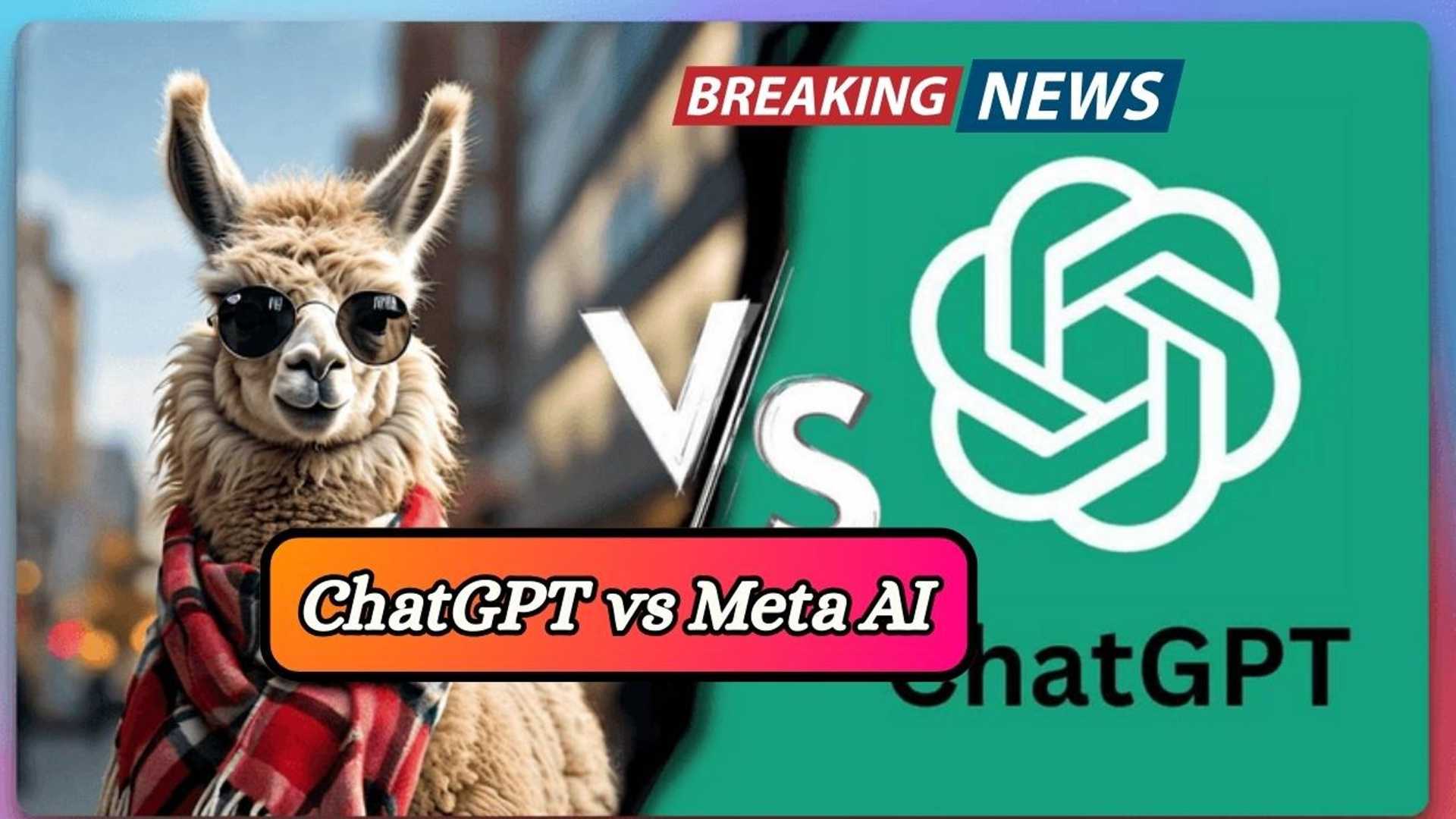
April’s here—and so are the clowns. Some wear red noses. Others drop $600/million tokens and call it “o1-pro.” Let’s see who juggled best this week in Gen AI land: OpenAI launched its priciest model ever—o1-pro—for $600 per million output tokens, and it still fumbled puzzle-solving. Joke’s on us. Google unveiled Gemini 2.0 Flash for image gen, only for OpenAI to shout “watch this!” and drop GPT-4o’s built-in image tool that crashed servers faster than a bunny in sunglasses. Claude now has web search—just like ChatGPT and Gemini. The real innovation? Saying “me too” with citations. Anthropic also peeked inside Claude’s “brain” and found it lies about how it thinks. Same, Claude, same. Alibaba dropped Qwen2.5-Omni-7B for edge devices and bet $53B on AI, mostly to win the China open-source speedrun. Nvidia’s new reasoning models are now inside Microsoft, SAP, Accenture, and Deloitte—basically, all your corporate buzzword bingo cards just lit up. TL;DR: It’s a full-on circus. Everyone’s releasing smarter clowns, and no one’s asking if the tent’s on fire. Happy April Fools’ week.
My take: Both developments have sparked discussions about the ethical implications of AI-generated art. OpenAI's tool, for instance, enables users to create images in the style of renowned artists and studios, leading to concerns over potential copyright infringements and the need for clear guidelines in the burgeoning field of AI artistry. Let’s see when the lawsuits start rolling in …
Anthropic is catching up—fast. Claude’s new web search arrives just months after OpenAI and Gemini launched theirs, and Anthropic hasn’t even hit its third birthday yet. But this is starting to feel less like innovation and more like a performance. Everyone’s racing to match features, shouting “Look, we do that too!” without pausing to ask: what does this actually do for the enterprise? Right now, it’s like throwing AI noodles at the wall—too much, too soon, and most of it isn’t sticking. Until these features start delivering real value—clarity, ROI, impact—they’re just noise with a shiny interface.

My take: The Apple integration is specifically for iPhones sold in the Chinese market, and the BMW partnership focuses on next-gen intelligent vehicles likely targeting Chinese consumers first. While these moves strengthen Alibaba’s position in China’s post-DeepSeek AI boom, they don’t yet signal global adoption. Alibaba is betting big with a $53 billion investment in AI and cloud infrastructure, but it’s a high-stakes gamble. Despite rapid product rollouts and strategic wins inside China, the company remains effectively locked out of the U.S. and much of Western Europe. That puts a ceiling on global growth — and raises the question: can domestic dominance alone justify that level of spend? What do y’all think?
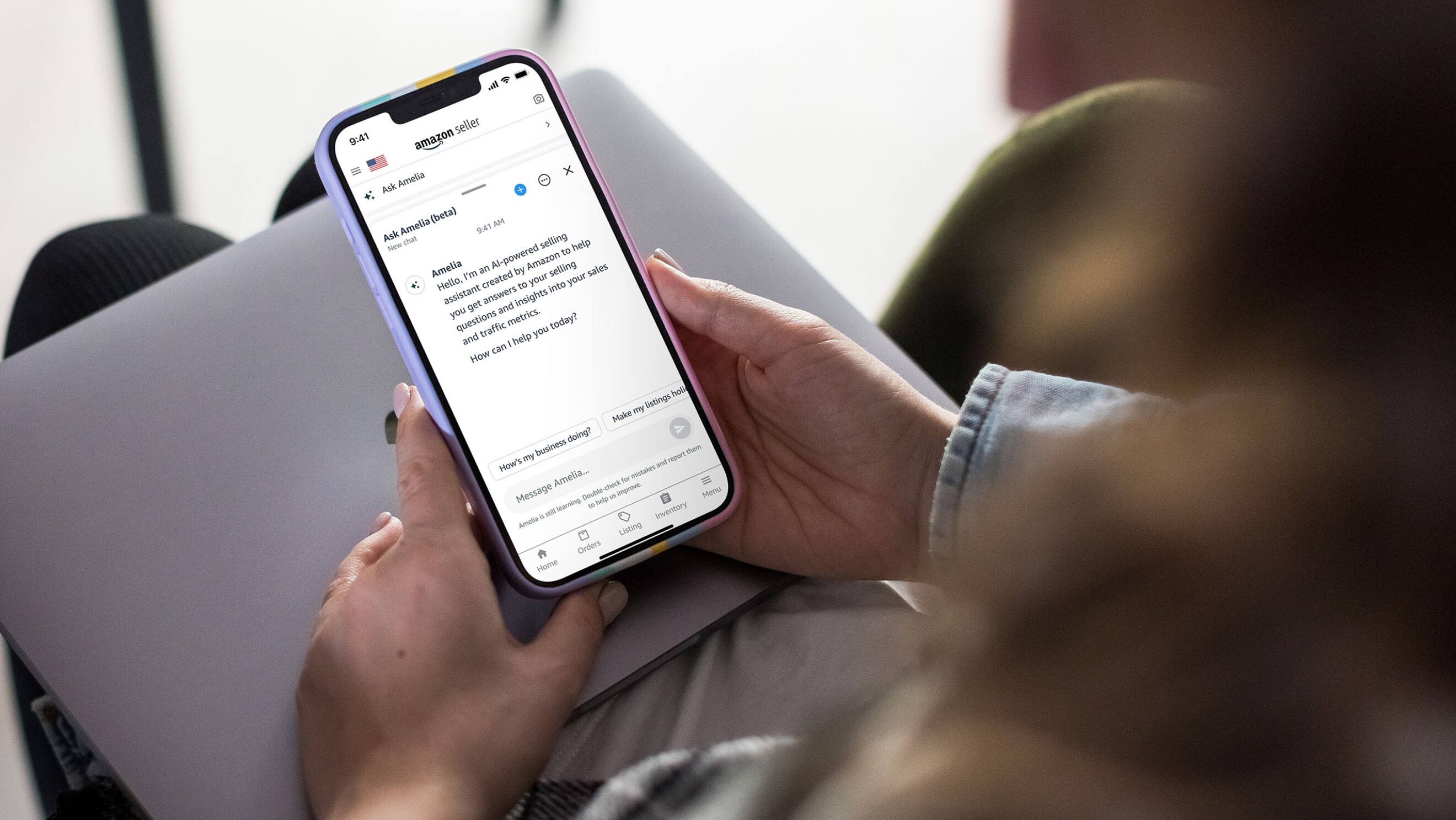
Amazon is testing two new AI assistants—one to help you shop and the other to tell you you're dehydrated—because nothing screams “healthcare trust” like a company that also sells discount leaf blowers. Somewhere, Alexa is quietly sobbing, “I used to be the chosen one.” Meanwhile, Microsoft’s new Security Copilot agents automate cyberdefense, phishing triage, and threat briefings. So yes, we’re officially at the point where your firewall has coworkers. Be nice, or your antivirus might give you a bad performance review. OpenAI rolled out ChatGPT Connectors to tap into your Google Drive and Slack files, basically saying: “Hey, can I read your group project AND your office gossip?” Rest assured—it won’t touch your spreadsheets. Which, frankly, hurts a little. In a plot twist, OpenAI also adopted Anthropic’s Model Context Protocol—the AI world’s version of “let’s just use your Netflix login.” Interoperability is the new black, and OpenAI is borrowing the neighbor’s Wi-Fi to get there. Zoom decided it wasn’t enough to schedule your meetings—it wants to run them. Its AI now takes notes, manages calendars, and writes follow-ups. By next April Fools', your Zoom link might just attend the meeting without you.
My take: OpenAI is clearly going after Glean’s turf with its new ChatGPT Connectors, now in beta for Team users. The feature lets ChatGPT tap into internal tools like Google Drive and Slack to surface answers based on company files, spreadsheets, and conversations—similar to how Glean centralizes enterprise knowledge across platforms. The key selling point is that permissions are preserved, and admins control what gets synced. While it’s not yet as robust as Glean, the move signals OpenAI’s ambition to make ChatGPT the universal AI interface for business knowledge. It's not just chat anymore—it’s enterprise search, productivity, and automation all wrapped into one.