OpenAI has now made ChatGPT more human than it ever has been ...
When OpenAI's ChatGPT was released in 2022, it was already jarring to see how much the chatbot could engage in fluent conversation. Three years later, the humanizing aspects only continue to evolve.
Personalization and Customization
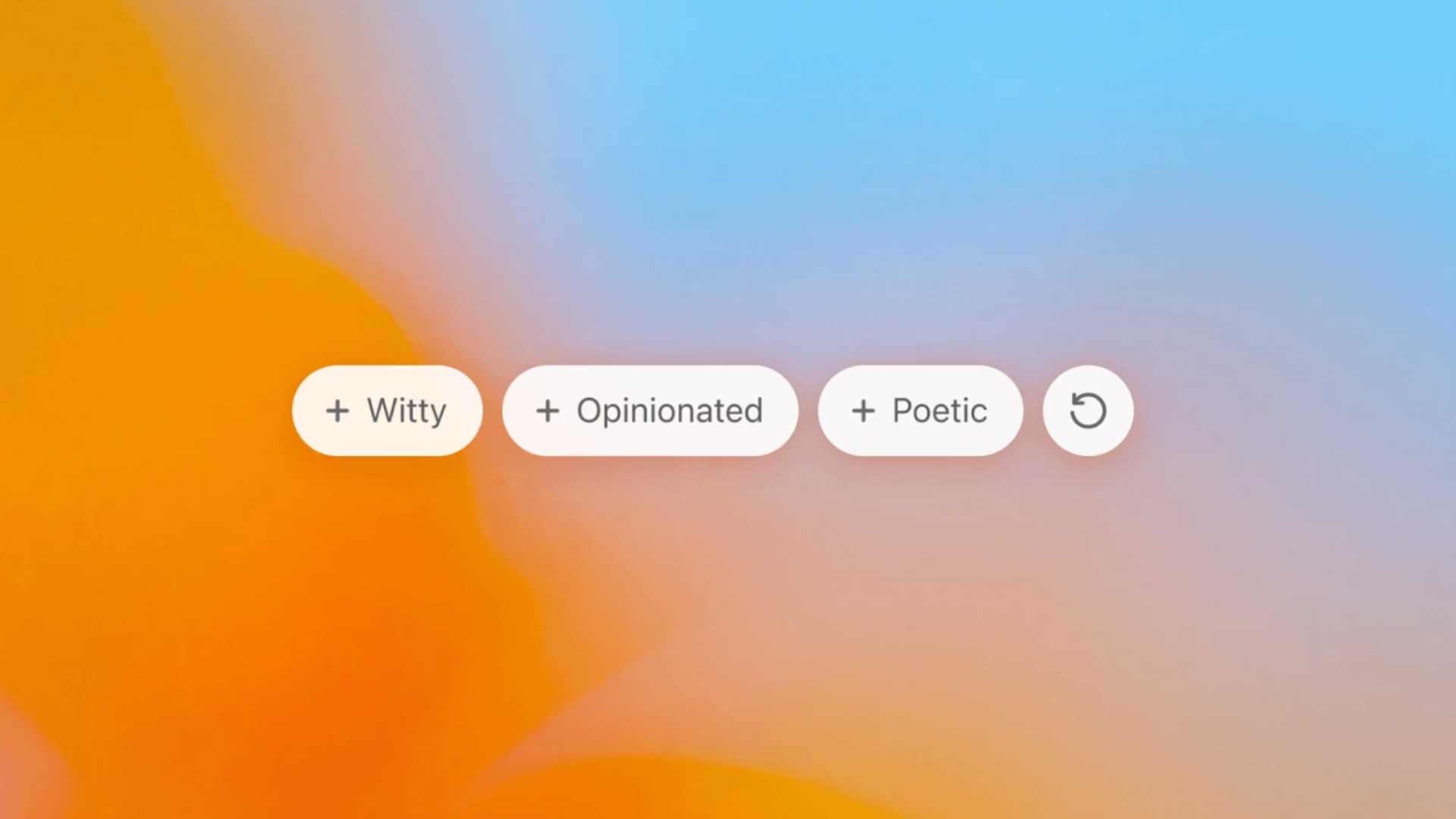
The latest update from OpenAI emphasizes personalization and customization. You can now tailor the chat box to the dimensions of tone (witty, supportive) and functional roles (lab assistant, companion). A settings window provides options to contextualize the conversation.
Functionally, this allows users to hardwire the chatbot into specific tones and roles. For example, it can mimic the harsh, but honest tone of Arnold Schwarzenegger and address the user by a chosen name, along with a specified role. This level of personalization can lead to unique interactions, such as receiving fitness advice tailored to individual preferences.
Enhanced Functionality
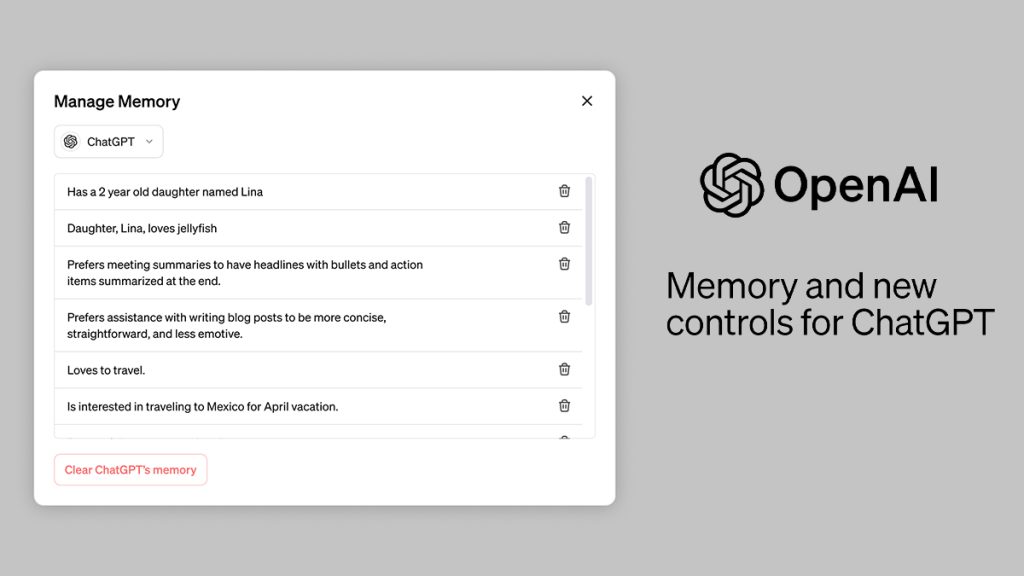
Much of this functionality was present in previous iterations - users could prompt the chatbot to adopt specific voices or traits, and the 'memory' feature would allow it to retain information. However, this update represents a step towards making these functions more consistent and user-friendly. Users no longer need to repeatedly prompt the chatbot to achieve the desired output.
Focus on Transparency
The recent update also emphasizes transparency. In May of 2024, OpenAI released their 'model spec' to help users understand why and how ChatGPT generates responses. As users become more familiar with manipulating LLM chatbots, understanding the underlying mechanisms becomes increasingly important when utilizing advanced features.