
Journalism, trauma and stress - Media Helping Media
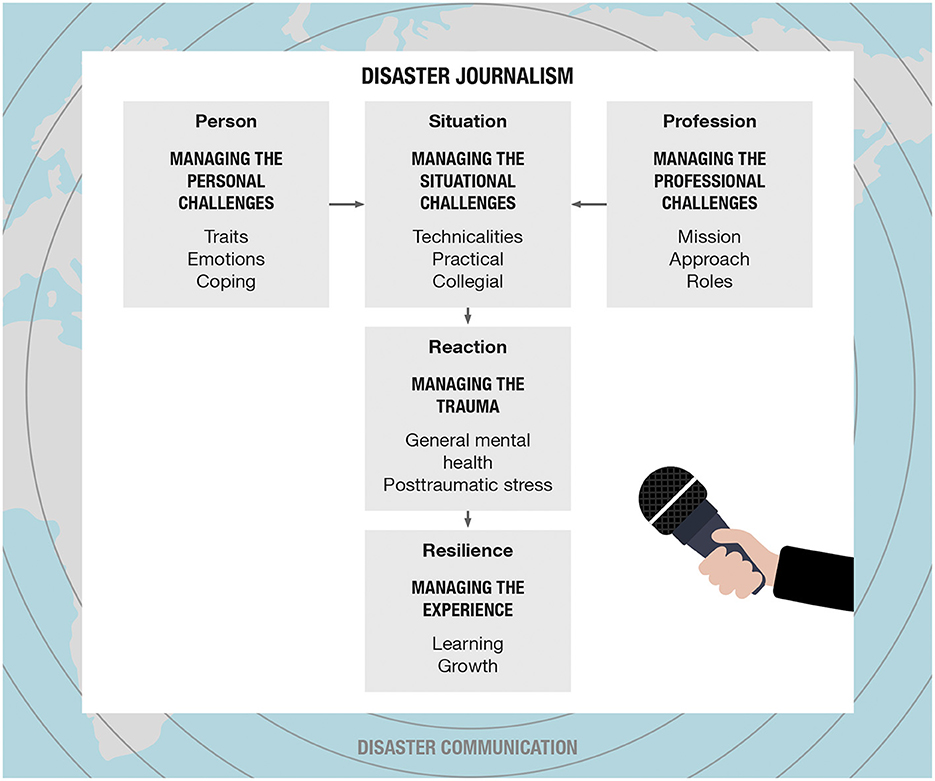
Journalists often witness challenging and traumatic events which can have a profound impact on the individual, their reporting, the victims, and the audience. Whether covering natural disasters, conflicts, or personal tragedies, journalists are often exposed to stories that can affect their mental as well as physical well-being.
Recognising and addressing the potential for trauma and stress is crucial for maintaining both professional integrity and personal health. In this piece, we look at how journalists cope with the emotional, mental, and sometimes physical pressure. We also explore how post traumatic stress disorder (PTSD) is increasingly affecting journalists and journalism.
The impact of trauma on journalists
The sheer volume of traumatic encounters within journalistic work means that many journalists experience work-related trauma. Some endure repeated, cumulative exposure, accumulating a lifetime of harrowing experiences.
For a long time, the notion that journalists could experience lasting harm from their reporting was dismissed. Their exposure to disturbing scenes and material was considered a routine occupational hazard, and they were expected to be emotionally robust.
Organisations such as the Dart Center for Journalism and Trauma challenged that concept. The study on the impact of trauma on journalists lists common events that can cause trauma and stress.
Training and support
As awareness of PTSD in journalism increases, training is needed at the management, newsroom, and reporter level to help all involved in the newsgathering process understand the seriousness of the possible impact of trauma on the individual.
The UK’s National Union of Journalists (NUJ) has issued guidelines on the impact of PTSD on journalists. The NUJ says that media workers witness frightening images not only in conflict zones but also in various other situations.
Coping mechanisms and resources
The Committee to Protect Journalists (CPJ) provides a ‘security guide’ for journalists with the title ‘Covering the News in a dangerous and changing world’ where it looks at the signs of stress and how journalists can adopt coping mechanisms.
The International Federation of Journalists (IFJ) has published a 'Survival Guide For Journalists' focusing on PTSD. The document suggests that exposure to trauma can manifest in diverse and distressing forms.
Impact on mental health and ethics
Dealing with traumatised employees can be expensive, and supportive colleagues and volunteers play a crucial role in helping. The Dart Center study on trauma also talks about trauma having an impact on a journalist's professional ethics or 'moral compass' following a traumatic event.
Media Helping Media (MHM) offers resources that address the ethical issues faced by journalists, especially during times of trauma and stress.
Upholding ethical reporting
Journalists operate within a framework of ethical principles that guide their work and shape their impact on society. Severe trauma can have an impact on a journalist's editorial values and ethics, affecting their reporting.

Investigations must be justified by public interest, and sensitive situations demand careful consideration of the potential impact on individuals and their families.
Conclusion
The inherent exposure to trauma in journalism requires a holistic approach to mental well-being. By prioritising self-care, fostering supportive work environments, and adhering to ethical reporting standards, journalists can navigate the emotional challenges of their profession while serving as vital witnesses to the human experience.