My Teacher Uses ChatGPT!
When it comes to the use of generative artificial intelligence in the classroom, ethical questions arise. Discussions often focus on how students may misuse it, leading to issues such as plagiarism, dependence, and a decline in critical thinking skills. However, while the negative aspects for students are often highlighted, the impact on teachers and institutions is also worth considering.
Teachers and Generative AI
Contrary to concerns about student misuse, there is a growing trend of teachers using generative AI technologies to enhance their class planning and reduce time-consuming tasks. However, instances like the one at Northeastern University, where a student discovered their teacher's extensive use of ChatGPT, have sparked debates in academia.

The student's discomfort with AI usage in the classroom is not uncommon. Reports suggest that students turn to platforms like Rate My Professors to express concerns about their education being guided by machines rather than humans. While some teachers see the benefits of AI tools, the increasing reliance on such technology raises apprehensions among students.
Challenges and Misuse
Despite efforts to detect AI use, such as AI detectors, challenges persist. Verification can be difficult, and errors in flagging AI usage may lead to undeserved suspicions. As a result, professors may become disheartened and, in extreme cases, even contemplate leaving the teaching profession.

Overreliance on AI systems can also have unintended consequences. The risk of AI producing incorrect results or hallucinations poses a threat to the credibility of educational practices. Students may question the authenticity of their learning experiences if teachers rely too heavily on AI-generated content.
Effective Integration of AI
While there are concerns about misuse, generative AI can be effectively integrated into classrooms when used transparently and responsibly. Educators must communicate clearly with students about the role of AI tools, emphasizing their supplementary nature rather than a replacement for human interaction.
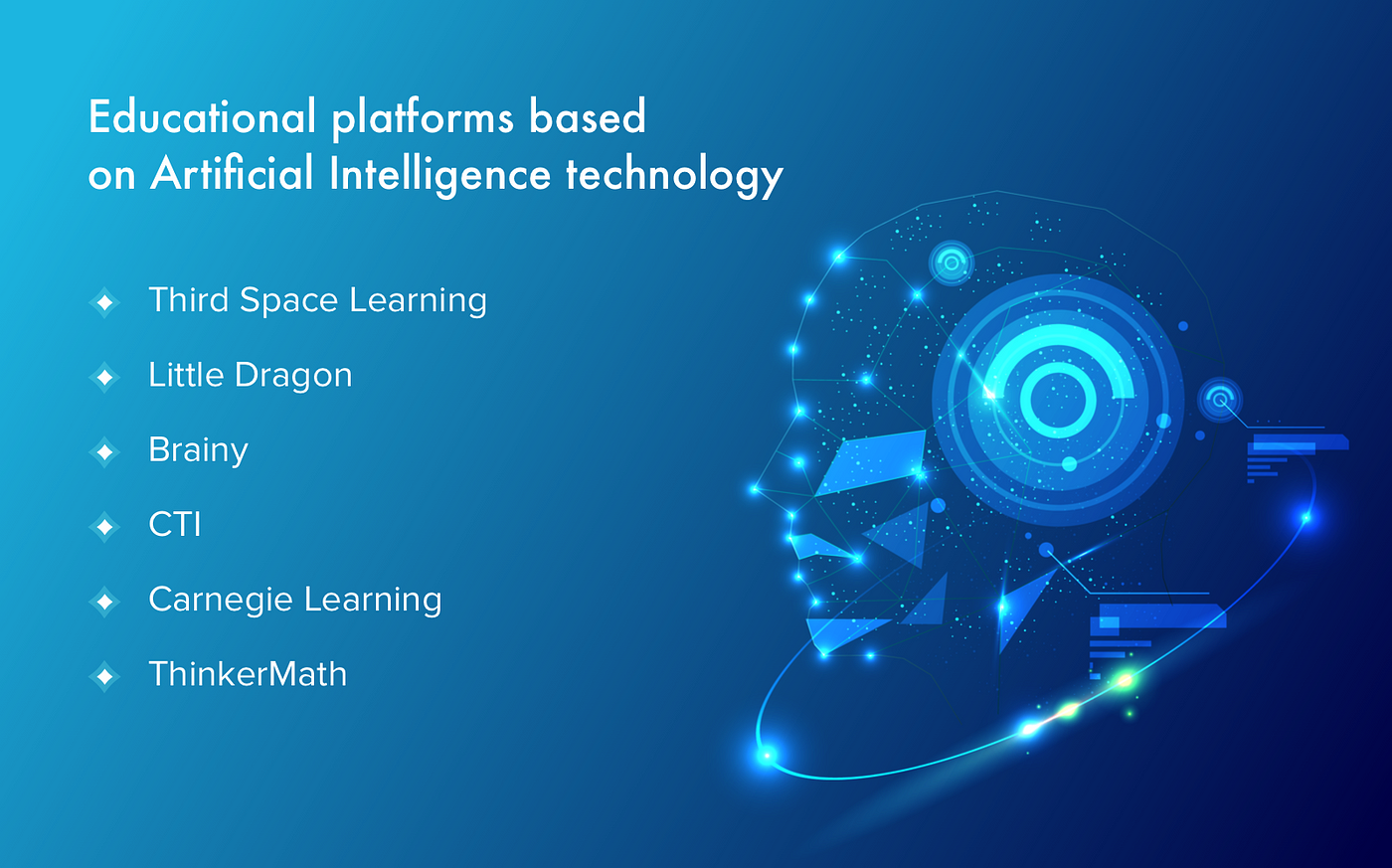
By understanding the limitations and correct use of AI tools, teachers can leverage technology to enhance learning experiences. Balancing AI assistance with personalized feedback and human interaction remains crucial in cultivating critical thinking and problem-solving skills.
Conclusion
As generative AI becomes increasingly prevalent in education, it is essential for both educators and students to be mindful of its impact. Transparency, responsible use, and a discerning approach to distinguishing between AI and human involvement are key to fostering a balanced learning environment.

Ultimately, while AI tools offer valuable support, human guidance and engagement are irreplaceable in nurturing the skills necessary for navigating an uncertain future.