ChatGPT Financial Advice: Can AI Assist or Replace Professionals?
As artificial intelligence continues to make headlines, one pressing question looms: Could AI chatbots like ChatGPT assist or potentially replace financial professionals? A new study by Washington State University and Clemson University researchers, analyzing more than 10,000 AI responses to financial exam questions, provides some sobering answers.
“It’s far too early to be worried about ChatGPT taking finance jobs completely,” says study author DJ Fairhurst of WSU’s Carson College of Business in a statement. “For broad concepts where there have been good explanations on the internet for a long time, ChatGPT can do a very good job at synthesizing those concepts. If it’s a specific, idiosyncratic issue, it’s really going to struggle.”
AI's Impact on Finance Jobs
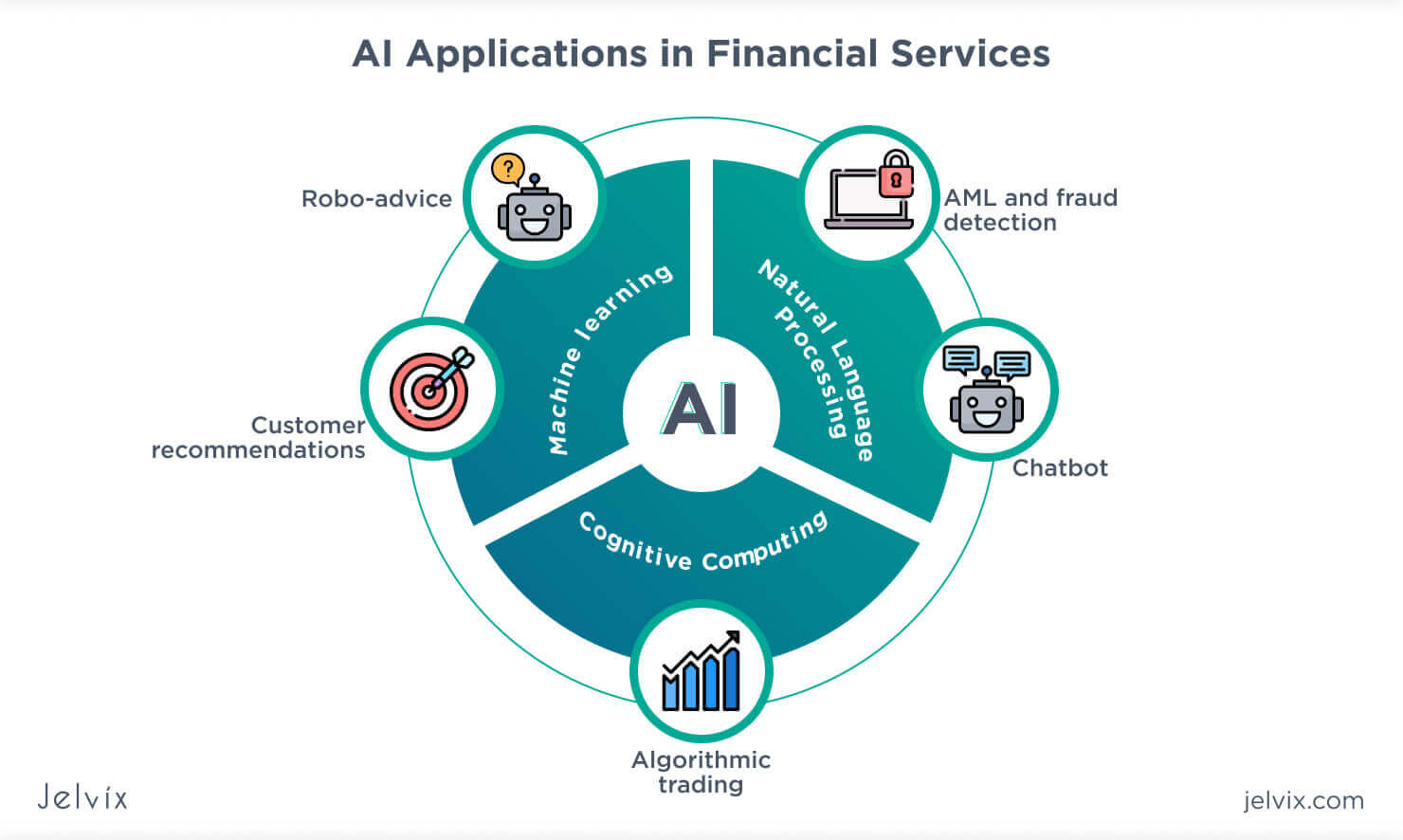
The research, published in the Financial Analysts Journal, addresses a significant industry concern. Goldman Sachs estimates that 15% to 35% of finance jobs could potentially be automated by AI, while KPMG suggests that generative AI may revolutionize how asset and wealth managers operate. However, these projections rely on a critical assumption – that AI systems possess an adequate understanding of finance.
“Passing certification exams is not enough. We really need to dig deeper to get to what these models can really do,” notes Fairhurst.
Testing AI Models
The researchers assembled a comprehensive dataset of 1,083 multiple-choice questions drawn from various financial licensing exams, including the Securities Industry Essentials (SIE) exam and Series 7, 6, 65, and 66 exams. These are the same tests that human financial professionals must pass to become licensed.
Using this question bank, the study tested four different AI models: Google’s Bard, Meta’s LLaMA, and two versions of OpenAI’s ChatGPT (versions 3.5 and 4). The researchers evaluated not just answer accuracy but also used sophisticated natural language processing techniques to compare how well the AI systems could explain their reasoning compared to expert-written explanations.
Limitations and Implications
The results revealed distinct tradeoffs among the AI models. Of all the models tested, ChatGPT 4 emerged as the clear leader, with accuracy rates 18 to 28 percentage points higher than other models. However, an interesting development emerged when researchers fine-tuned the earlier free version of ChatGPT 3.5 by feeding it examples of correct responses and explanations. After this tuning, it nearly matched ChatGPT 4’s accuracy.
Both models still showed significant limitations. While they performed well on questions about trading, customer accounts, and prohibited activities, performance dropped on questions about evaluating client financial profiles and investment objectives. The models gave more inaccurate answers for specialized situations, such as determining clients’ insurance coverage and tax status.

Future of AI in Finance
Based on these findings, AI’s immediate future in finance appears to be collaborative rather than replacive. While these systems demonstrate impressive capabilities, their error rates – particularly in complex, client-facing situations – indicate that human oversight remains essential in an industry where mistakes can have serious financial and legal consequences.
The study suggests that AI is currently better suited as an assistant than a replacement for financial professionals. While it shows promise in tasks like market monitoring and basic analysis, it remains less reliable for complex, client-specific work. The study reveals important tradeoffs between different AI models and implementation methods.
This study was published in the Financial Analysts Journal on November 18, 2024. The research was authored by Douglas (DJ) Fairhurst, an associate professor of finance at Carson College of Business, Washington State University, and Daniel Greene, the Bill Short Associate Professor of Finance at Wilbur O. and Ann Powers College of Business, Clemson University.