How ChatGPT and other AI tools are changing the teaching profession
For her 6th grade honors class, math teacher Ana Sepúlveda wanted to make geometry fun. She figured her students “who live and breathe soccer” would be interested to learn how mathematical concepts apply to the sport. She asked ChatGPT for help.
Within seconds, the chatbot delivered a five-page lesson plan, even offering a theme: “Geometry is everywhere in soccer — on the field, in the ball, and even in the design of stadiums!” It explained the place of shapes and angles on a soccer field. It suggested classroom conversation starters: Why are those shapes important to the game? It proposed a project for students to design their own soccer field or stadium using rulers and protractors.
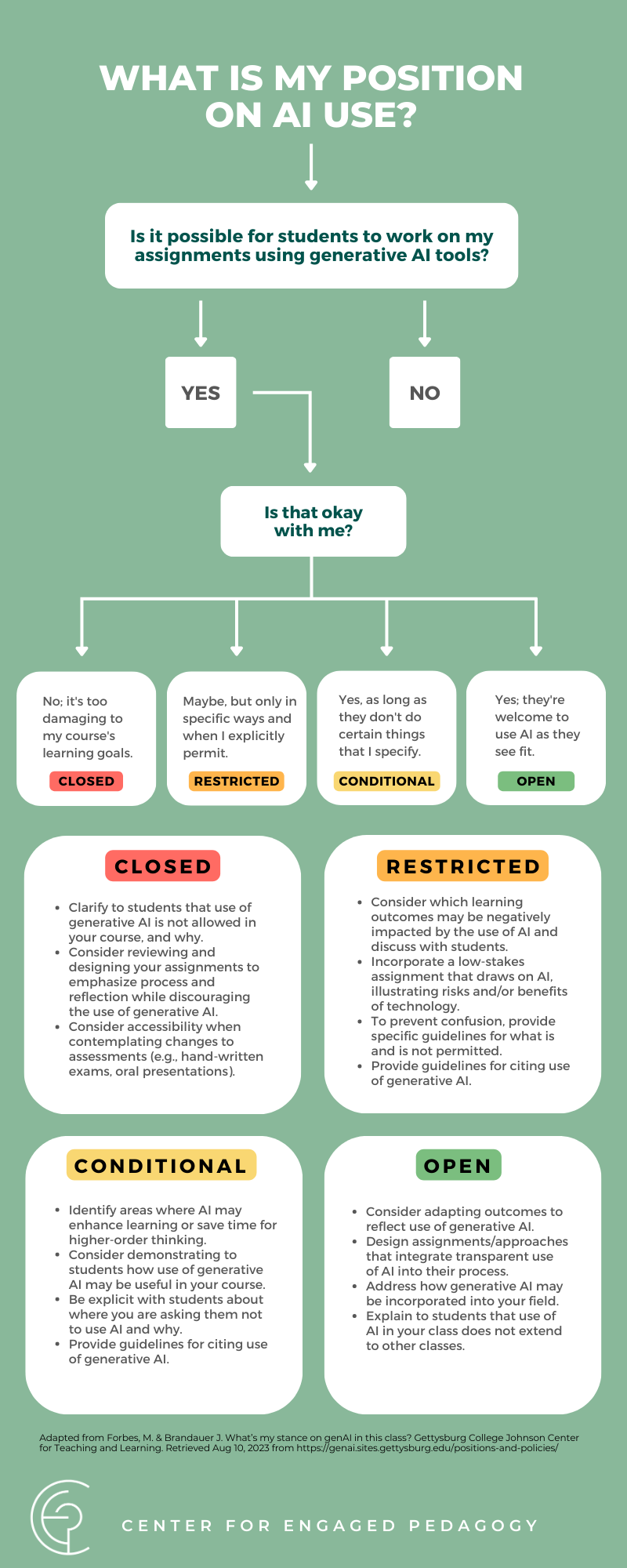
“Using AI has been a game changer for me,” said Sepúlveda, who teaches at a dual language school in Dallas and has ChatGPT translate everything into Spanish. “It’s helping me with lesson planning, communicating with parents and increasing student engagement.”
AI tools in education
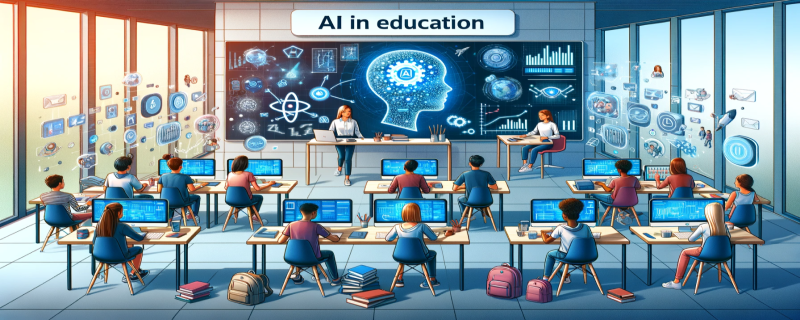
Across the country, artificial intelligence tools are changing the teaching profession as educators use them to help write quizzes and worksheets, design lessons, assist with grading and reduce paperwork. By freeing up their time, many say the technology has made them better at their jobs.
A poll released Wednesday by Gallup and the Walton Family Foundation found 6 in 10 U.S. teachers working in K-12 public schools used AI tools for their work over the past school year, with heavier use among high school educators and early-career teachers. It surveyed more than 2,000 teachers nationwide in April. Respondents who use AI tools weekly estimate they save them about six hours a week, suggesting the technology could help alleviate teacher burnout.
Ensuring ethical use
As schools navigate concerns over student abuse of the technology, some are also introducing guidelines and training for educators so teachers are aware of avoiding shortcuts that shortchange students.
Improving teaching practices
About 8 in 10 teachers who use AI tools say it saves them time on work tasks like making worksheets, assessments, quizzes or on administrative work. And about 6 in 10 teachers who use AI tools said they are improving the quality of their work when it comes to modifying student materials or giving student feedback.
“AI has transformed how I teach. It’s also transformed my weekends and given me a better work-life balance,” said Mary McCarthy, a high school social studies teacher in the Houston area who has used AI tools for help with lesson plans and other tasks.
Empowering students
McCarthy said training she received from her school district on AI tools has helped her model proper use for her students. “If I’m on the soapbox of, ‘AI is bad and kids are going to get dumb,’ well yeah if we don’t teach them how to use the tool,” said McCarthy. “It feels like my responsibility as the adult in the room to help them figure out how to navigate this future.”

Evolution of AI in education
Views on the role of artificial intelligence in education have shifted dramatically since ChatGPT launched in late 2022. Schools around the country initially banned it, but since then many have sought ways to incorporate it into classrooms. Concerns about student overuse and misuse are still prevalent, but teachers see the benefit of becoming more familiar with artificial intelligence to spot when students are overusing it.