Finding the Balance: Integrating AI Into the Creative Process
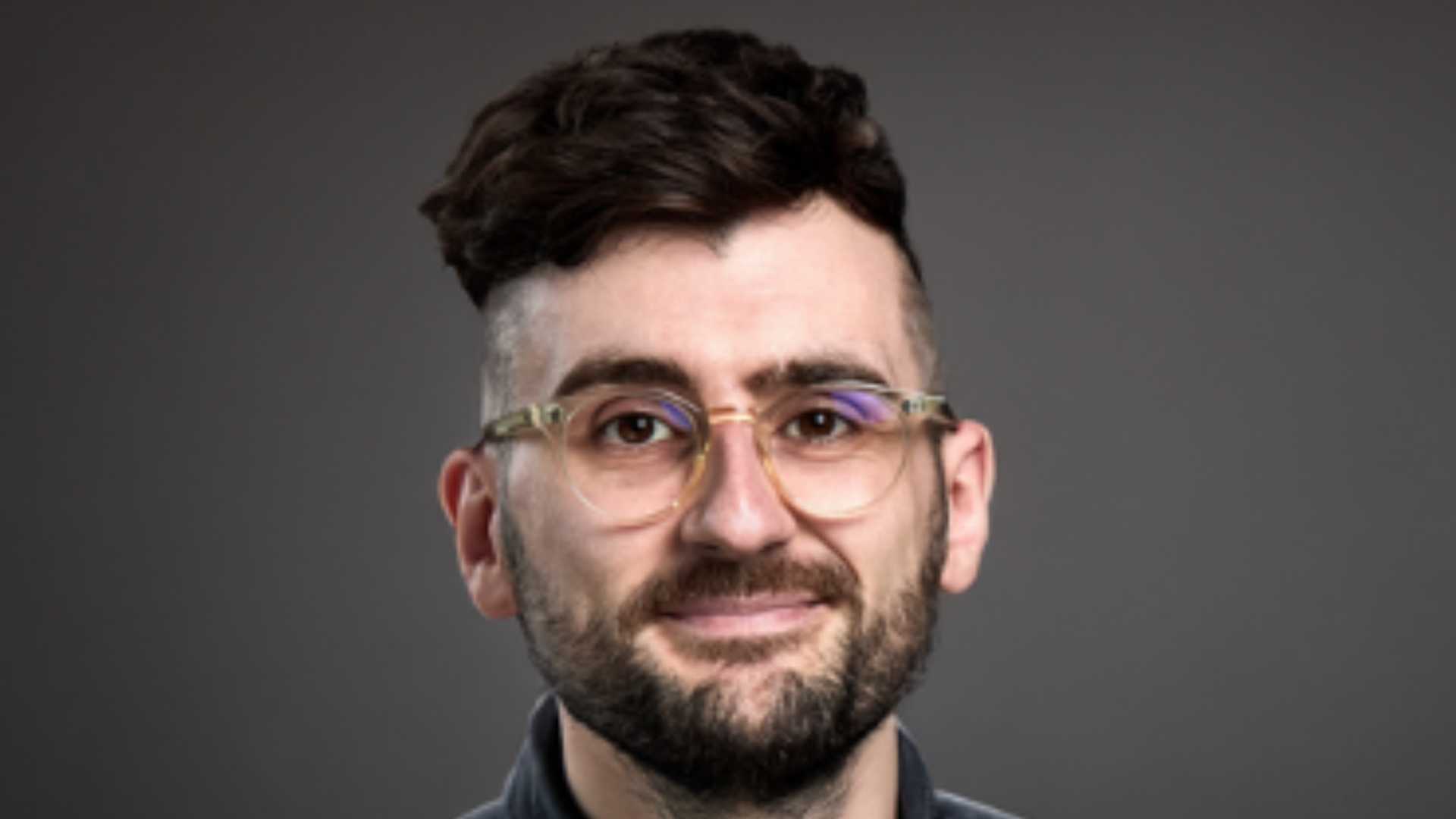
As technology continues to advance, the integration of artificial intelligence (AI) into the creative process has become more prevalent. One individual who has embraced this shift is a creative technology director at George P. Johnson (GPJ) UK, who is also a musician and visualist based in London.
AI is being used as a creative extension and a new partner in the brainstorming and idea generation process. By leveraging large language models (LLMs), ideas for clients can be riffed more quickly, and writeups can be summarized concisely without losing important details.
Google Gemini and Creative Design
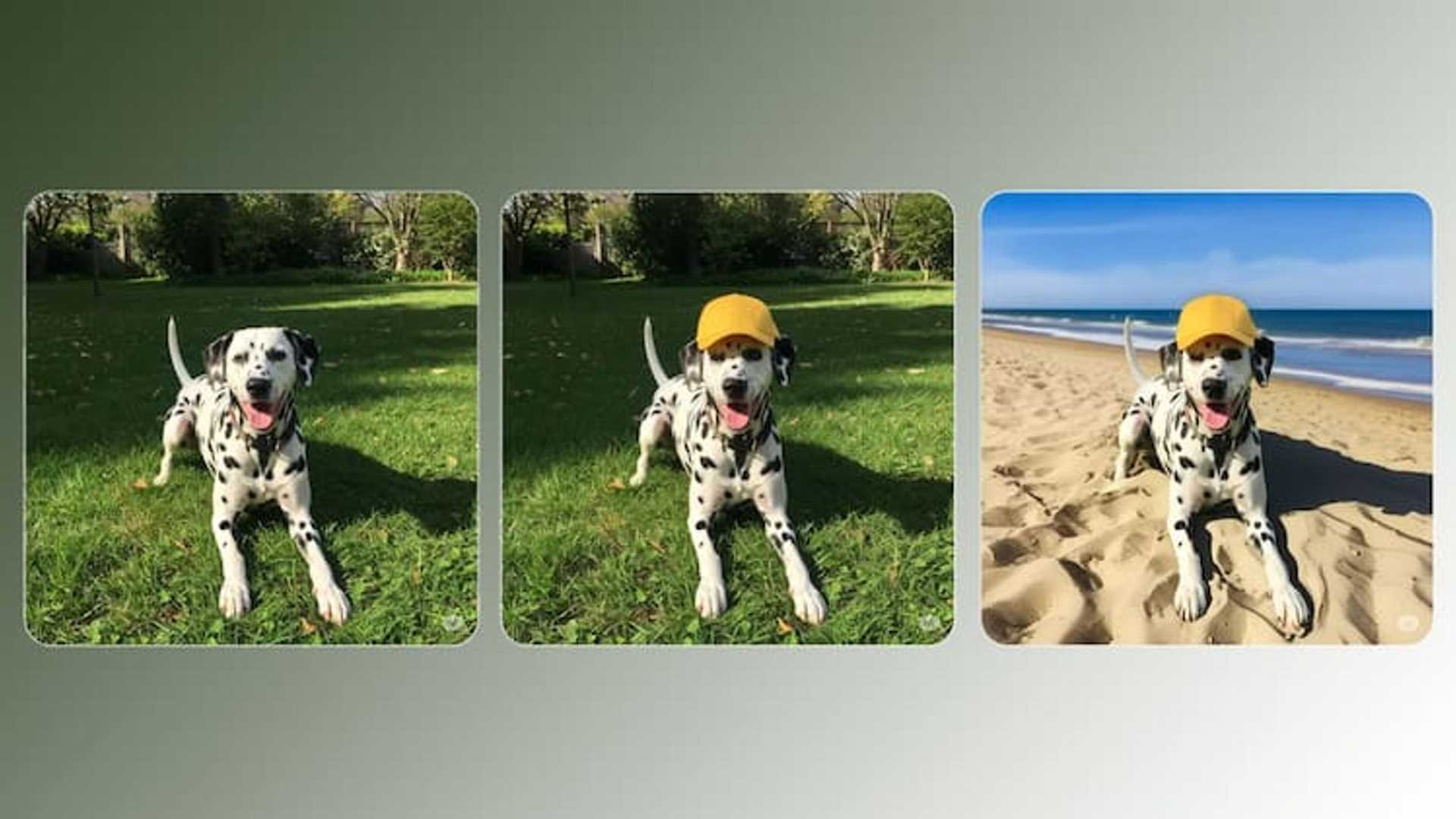
At GPJ, Google Gemini, a part of Google Workspace, is utilized to bounce ideas off and create inspirational images for the design process. This streamlined approach allows for all creative aspects to be developed in one place without the need to switch between multiple tools.

Generating images that convey interactive concepts can be challenging, but with the use of AI and storyboarding tools, the process becomes more manageable. By inputting ideas into the AI system and transcribing the responses, the human touch is maintained, ensuring that the creative output remains engaging and authentic.
The Evolution of AI in Creativity
Despite the initial hype surrounding AI, it is not a completely new concept. Machine learning, a form of AI, has been integrated into various technologies for years. From predictive text on smartphones to advanced neural networks, AI has been quietly shaping our digital experiences.

While the use of AI in creative endeavors has grown, there is still a debate about the level of reliance on AI for idea generation. While AI can expedite processes and offer new perspectives, human creativity and intuition play a vital role in ensuring that ideas are not diluted or generic.
The Impact on Art and Media
Generative AI and generative art have revolutionized the creative landscape, blurring the lines between human and AI-generated content. AI has the potential to enhance existing forms of media and art, but the need for human creativity and interpretation remains crucial.
As AI continues to evolve and become more sophisticated, the role of creatives will undoubtedly transform. Embracing AI as a tool to streamline processes and enhance creativity is key, but finding the right balance between human ingenuity and AI assistance is essential for achieving optimal results.