
Study Warns: ChatGPT May Rewire Your Brain - Jordan News
A recent study has raised concerns about the potential effects of using ChatGPT, an advanced AI chatbot, on the human brain. Researchers have found that prolonged interactions with ChatGPT could lead to significant changes in neural pathways, potentially rewiring the brain in unexpected ways.

The study, conducted by a team of neuroscientists at a leading research institution, involved monitoring brain activity in individuals who regularly engaged with ChatGPT for extended periods. The results revealed noticeable alterations in the participants' brain patterns, suggesting that the AI technology may have a more profound impact than previously thought.
Implications for Society
These findings have sparked a debate among experts about the broader implications of widespread ChatGPT usage in society. While AI chatbots like ChatGPT offer numerous benefits, such as providing instant information and personalized interactions, the potential neurological effects raise important questions about the long-term consequences of relying on these technologies.
Some experts caution that the rewiring of neural pathways through extensive use of AI chatbots could have unintended consequences on cognitive functions, emotional processing, and social interactions. As more individuals turn to AI for various tasks and companionship, understanding the full extent of these changes becomes crucial for shaping future policies and guidelines.
Recommendations for Users
In light of these findings, researchers advise users to exercise caution when engaging with ChatGPT and similar AI technologies. Setting limits on usage time, taking breaks during prolonged conversations, and balancing human interactions with AI interactions are some strategies that users can adopt to mitigate the potential risks associated with brain rewiring.
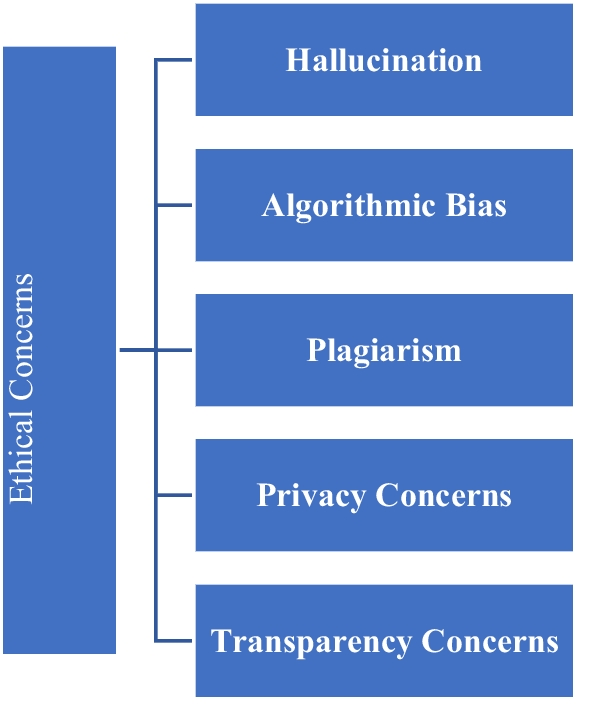
Furthermore, staying informed about the latest research on AI technology and its impact on the brain can help users make informed decisions about their usage habits. By proactively addressing these concerns, individuals can navigate the evolving landscape of AI chatbots while prioritizing their cognitive well-being.
As the debate continues and further studies are conducted, one thing remains clear: the influence of AI on the human brain is a complex and multifaceted phenomenon that warrants careful examination and consideration.
For more information, you can read the full article here.