Meta to Add Premium Tier, Ads to Monetize AI App
Meta Platforms is laying the foundation for a revenue-generating strategy around its newly launched Meta AI app, with plans to introduce a paid subscription tier and in-app advertising, including product recommendations. CEO Mark Zuckerberg disclosed these developments during the company’s Q1 2025 earnings call, framing the move as part of Meta’s broader ambition to scale its AI ecosystem.
Introduction of Premium Tier
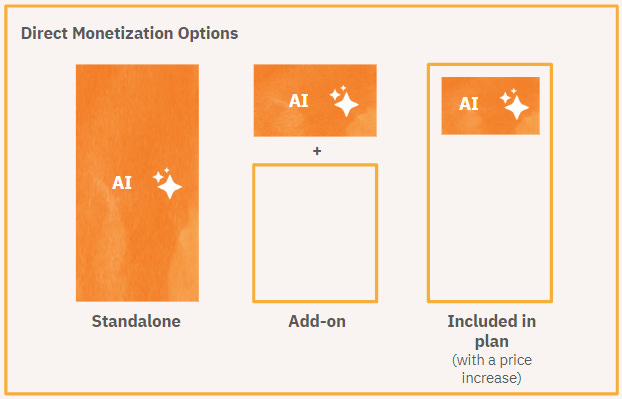
Meta’s foray into monetizing AI services includes introducing a premium service tier. This tier is expected to provide users access to more advanced functionalities and additional computational resources. This initiative mirrors the monetization strategies of major competitors such as OpenAI’s ChatGPT Plus, Google’s Gemini Advanced, and Microsoft’s Copilot Pro—all of which charge users for priority access and enhanced features.
Ads and Product Recommendations
In addition to a premium tier, Meta is considering embedding ads and product recommendations directly into the Meta AI app. While this raises questions about the user experience, the aim is clear: align the AI platform with Meta’s core advertising-driven business model. Zuckerberg clarified that these features are not immediate. Instead, the company will initially prioritize user engagement and product scaling.
Meta AI Expansion
The Meta AI app, launched in April 2025, represents Meta’s transition from AI features embedded in social apps to a dedicated, standalone AI product. The app allows users to engage with a chatbot and generate images. Meta claims the chatbot has reached “nearly 1 billion users”, although it remains ambiguous whether this figure pertains solely to the standalone app or includes usage across Facebook, WhatsApp, and Instagram.
Strategic Investment in AI
Beyond feature expansion, Meta is committing substantial resources to its AI strategy. The company increased its AI investment outlook from $65 billion to $72 billion, reaffirming its long-term commitment to building a competitive AI infrastructure. This investment is expected to support the development of more advanced AI models, expansion of computing capacity, and integration across Meta’s ecosystem.
Monetization Strategy
Meta’s plan to commercialize its AI offering while the app is still in its infancy is a notable deviation from competitors who typically focus on building utility and trust before monetizing. The integration of ads in conversational AI interfaces, in particular, may raise concerns around user trust, neutrality, and data privacy. Meta’s strategic shift toward monetizing its AI platform through subscriptions and in-app ads signals its intent to play a dominant role in the next generation of AI tools.

While the rollout is expected to take place gradually over the next year, the move has already set the tone for how Meta views AI: not just as a user-facing tool, but as a business platform with commercial viability.