
Why You Should Think Twice Before Confiding in Chatbots
In today’s rapidly advancing technological landscape, artificial intelligence (AI) plays a crucial role in various aspects of our lives. From language translation to chatbot interactions, AI has become deeply intertwined with daily activities. However, a word of caution has been issued by Mike Wooldridge, a renowned AI professor at Oxford University, advising users to be wary of sharing personal information with chatbots such as ChatGPT.
The Risks of Sharing Secrets with Chatbots
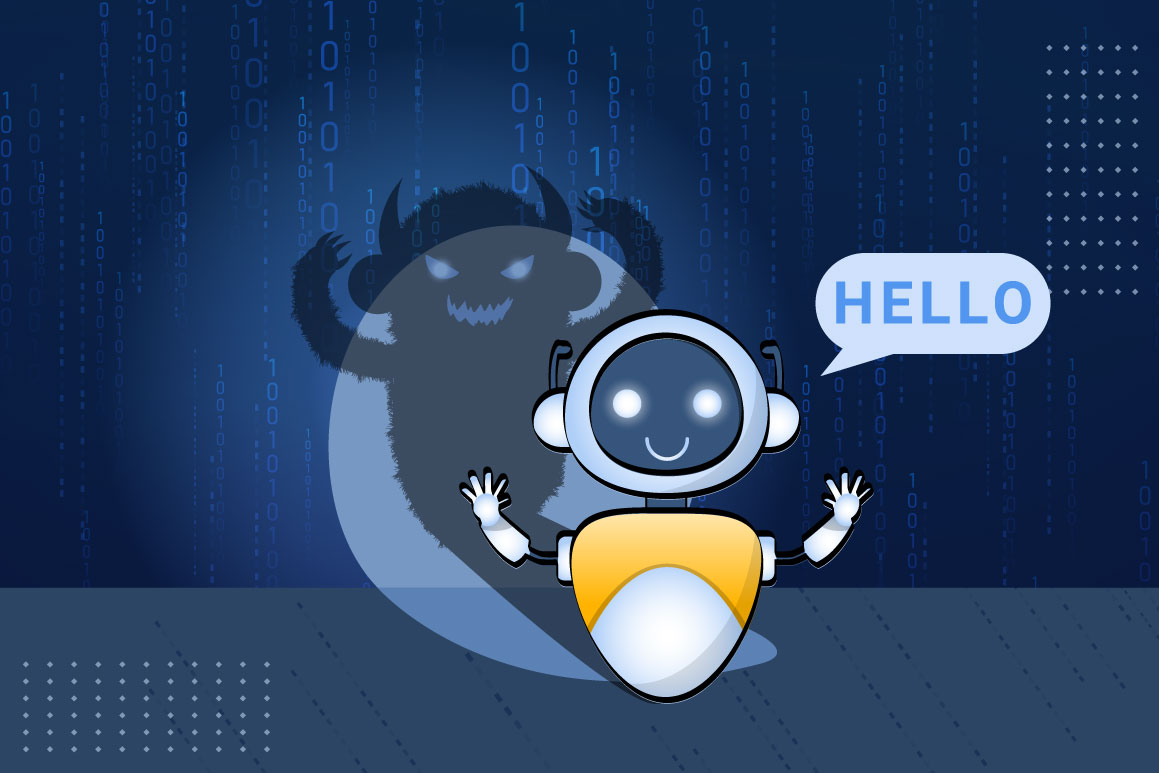
Wooldridge highlights the potential dangers of disclosing confidential information or engaging in intimate conversations with chatbots. He stresses that these seemingly innocuous interactions contribute to the training of future AI versions, shaping how these entities respond in the future. This raises significant concerns about privacy and the unintended consequences of sharing personal details with AI.

Unbalanced Responses and Reliability Issues
Moreover, Wooldridge points out that chatbots often provide biased or unbalanced responses, tailoring their answers to appease users. This raises doubts about the reliability of information obtained from chatbots and the risk of reinforcing skewed perspectives in user interactions with AI.
The Illusion of Empathy in AI
Despite advancements in AI technology, Wooldridge dismisses the idea that AI possesses genuine empathy or emotions akin to humans. He emphasizes that AI is designed to mirror users' preferences, focusing on providing reassuring responses rather than expressing authentic emotions. This distinction underscores the fundamental differences between human consciousness and artificial intelligence.
Protecting Your Privacy
Users are advised to be cautious when interacting with chatbots like ChatGPT, as any information shared becomes part of the AI's training data for future iterations. Wooldridge underscores the challenges of retracting data once it enters the AI system, highlighting the importance of safeguarding personal information in the digital realm.
Addressing Privacy Concerns
In response to privacy concerns, OpenAI, the organization behind ChatGPT, has introduced measures to enhance user control over their data. Users now have the option to disable chat history, ensuring that conversations with disabled history are not used for training or model improvement. These initiatives aim to address privacy issues and give users more autonomy over their data.
Exploring AI Complexity
Wooldridge's upcoming lectures at the Royal Institution Christmas series will delve deeper into AI research, focusing on language translation, chatbot functionality, and the limitations of AI in replicating human behavior. By demystifying common misconceptions about AI, Wooldridge aims to provide insights into the complexities of artificial intelligence and its implications for society.

Join the Conversation
For those intrigued by the intersection of AI and human understanding, the Royal Institution Christmas lectures offer a unique opportunity to explore the intricacies of AI technology. Broadcast on BBC Four and iPlayer, these lectures promise to enlighten audiences about the evolving landscape of AI research and the ethical considerations surrounding AI interactions.
References: