
ChatGPT vs financial advisors: Which is best for financial advice?
When it comes to seeking financial advice, individuals have a variety of options available to them. Traditional financial advisors have long been the go-to choice for those looking to manage their finances effectively. However, the rise of artificial intelligence (AI) technology has introduced new alternatives, such as ChatGPT, an AI-powered chatbot designed to provide personalized financial advice.
The Role of Financial Advisors
Financial advisors are professionals who offer expert guidance on managing finances, investments, and overall wealth. They typically work one-on-one with clients to develop tailored financial plans based on individual goals and risk tolerance. By leveraging their expertise and market knowledge, financial advisors help clients make informed decisions to achieve their financial objectives.

Introducing ChatGPT
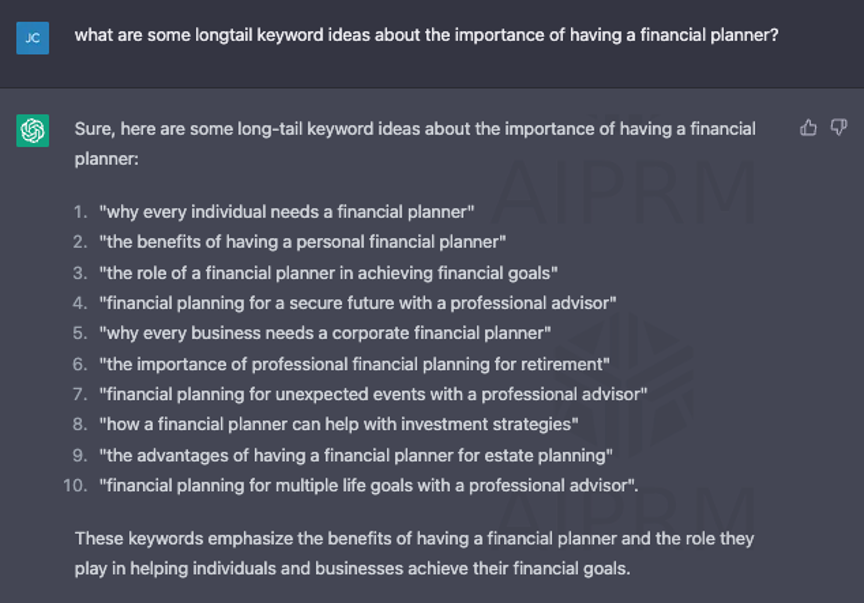
On the other hand, ChatGPT is an AI chatbot powered by OpenAI's GPT-3 technology. This advanced AI system can engage in conversations with users, offering insights and recommendations on various topics, including personal finance. ChatGPT is designed to analyze user inputs and provide relevant information to help individuals make better financial decisions.
Benefits of Using ChatGPT
One of the main advantages of using ChatGPT for financial advice is its accessibility. Unlike traditional financial advisors, ChatGPT is available 24/7 and can assist users at any time of the day. Additionally, ChatGPT can process a vast amount of data in real-time, enabling it to offer up-to-date insights and recommendations based on the latest market trends.
Drawbacks of Relying Solely on ChatGPT
While ChatGPT can provide valuable information and guidance, there are limitations to relying solely on AI for financial advice. Unlike human financial advisors, ChatGPT may lack the ability to consider emotional factors, long-term goals, and complex financial situations that require a human touch. Additionally, the accuracy and reliability of AI systems are dependent on the quality of the data they are trained on.
Choosing the Right Option for You
Ultimately, the decision to use ChatGPT or a traditional financial advisor for financial advice depends on individual preferences and needs. Those who prefer a personalized approach and value human interaction may opt for a financial advisor. On the other hand, individuals looking for quick and convenient access to financial information may find ChatGPT to be a suitable alternative.

It's important to note that a hybrid approach, combining the benefits of both AI technology and human expertise, may offer the most comprehensive financial advice solution for some individuals.
Before making a decision, carefully consider your financial goals, preferences, and comfort level with technology to determine whether ChatGPT or a financial advisor is the best choice for you.
Overall, both ChatGPT and financial advisors have unique strengths and limitations when it comes to providing financial advice. By understanding the capabilities of each option and aligning them with your specific needs, you can make an informed decision that will help you effectively manage your finances in the long run.