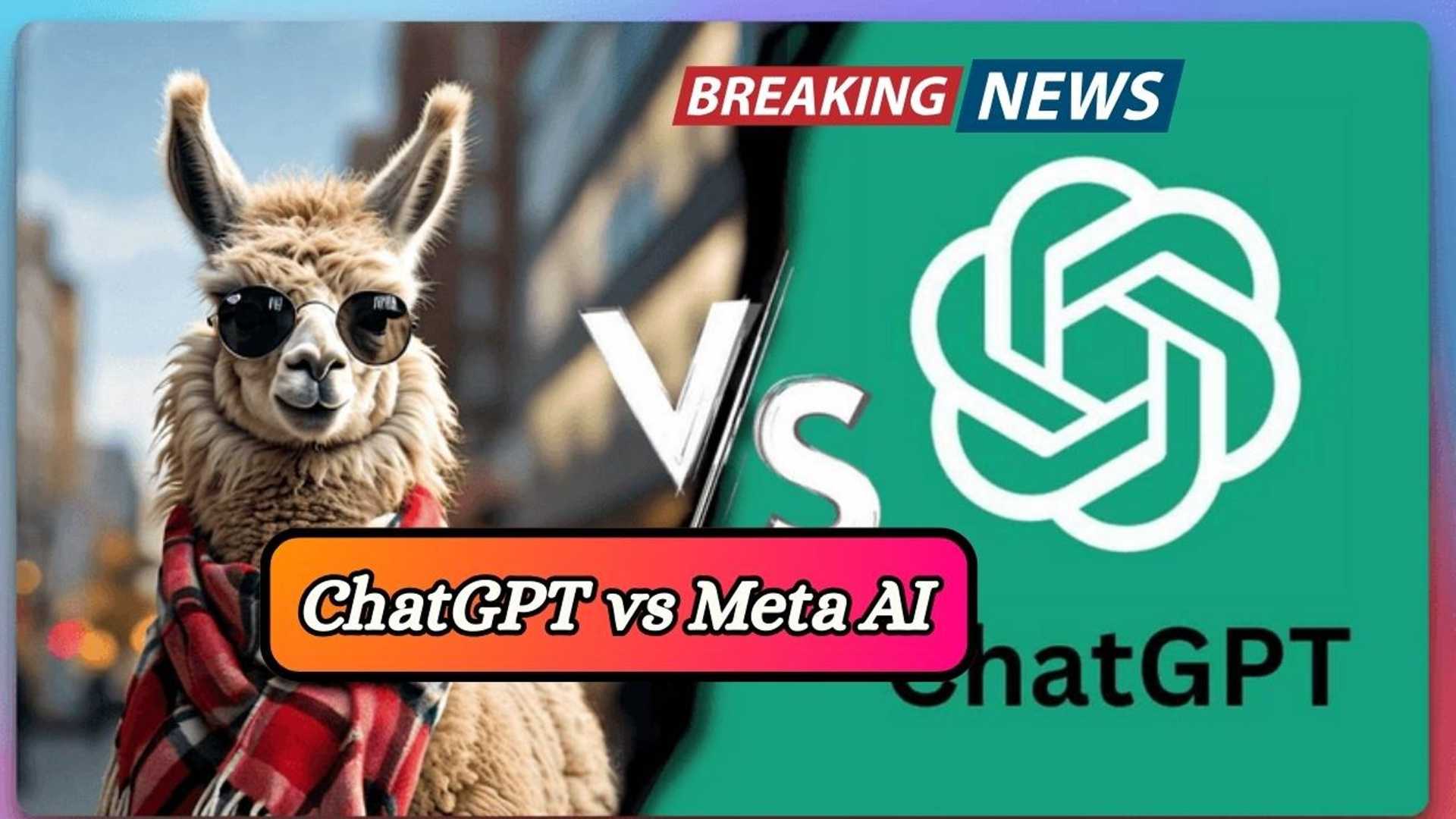
Meta unleashes its Llama
The company's open-source AI is now roughly on par with rivals from OpenAI and Google. Should we worry?Today, Meta released the largest ever open-source large language model to power generative artificial intelligence applications. Llama 3.1 represents an ambitious effort to shape the development of the AI industry in ways that favor Meta. It is also likely to spark new conversations around whether open source models are likely to generate more harm than their closed counterparts.
Meta's Unusual Plan
In January, Meta made headlines with its unusual plan to make available for free a technology that it has spent more than a decade and tens of billions of dollars to build. Unlike its peers, including Google and OpenAI, Meta is not selling subscriptions to its AI for individuals or teams, and says it has no plans to do so. In the short term, Meta says that open-sourcing Llama helps its own systems get better more quickly and cheaply than they otherwise would.
Advantages of Open Source
Inviting a global ecosystem of developers to iterate and improve on its models, and funnel those improvements back into Meta’s core systems, accelerates the development of Meta’s own products and systems and can save it money in doing so. In the long term, owning one of the most powerful LLMs could provide the company with a basis for all manner of money-making products.

The fact that an open-source model now rivals closed alternatives speaks to the way that every major AI developer’s LLMs are converging on one another in quality. Seemingly every few weeks now, one of the big AI players releases a new model, or variation of a model, with slightly improved cost, performance, or other attributes.
Regulation Concerns
If there are risks to Meta here, they lie in the potential for regulation and damage to its reputation. That’s because open-source systems, by their nature, allow anyone to take them and repurpose them for their own ends, no matter what they might be.
Future Implications
As AI grows more powerful, Meta’s case for open-source development will be worth revisiting. Open source development has served Meta’s interests well so far, and the relatively benign AI tools we have today give us little reason to fear what Llama 3.1 can do.

But it’s hard to make good policy for a technology that is improving in exponential leaps every few years. As AI grows more powerful, Meta’s case for open-source development will be worth revisiting.