Meta Shakes Up Reality Labs, Splits Into Wearables & Metaverse
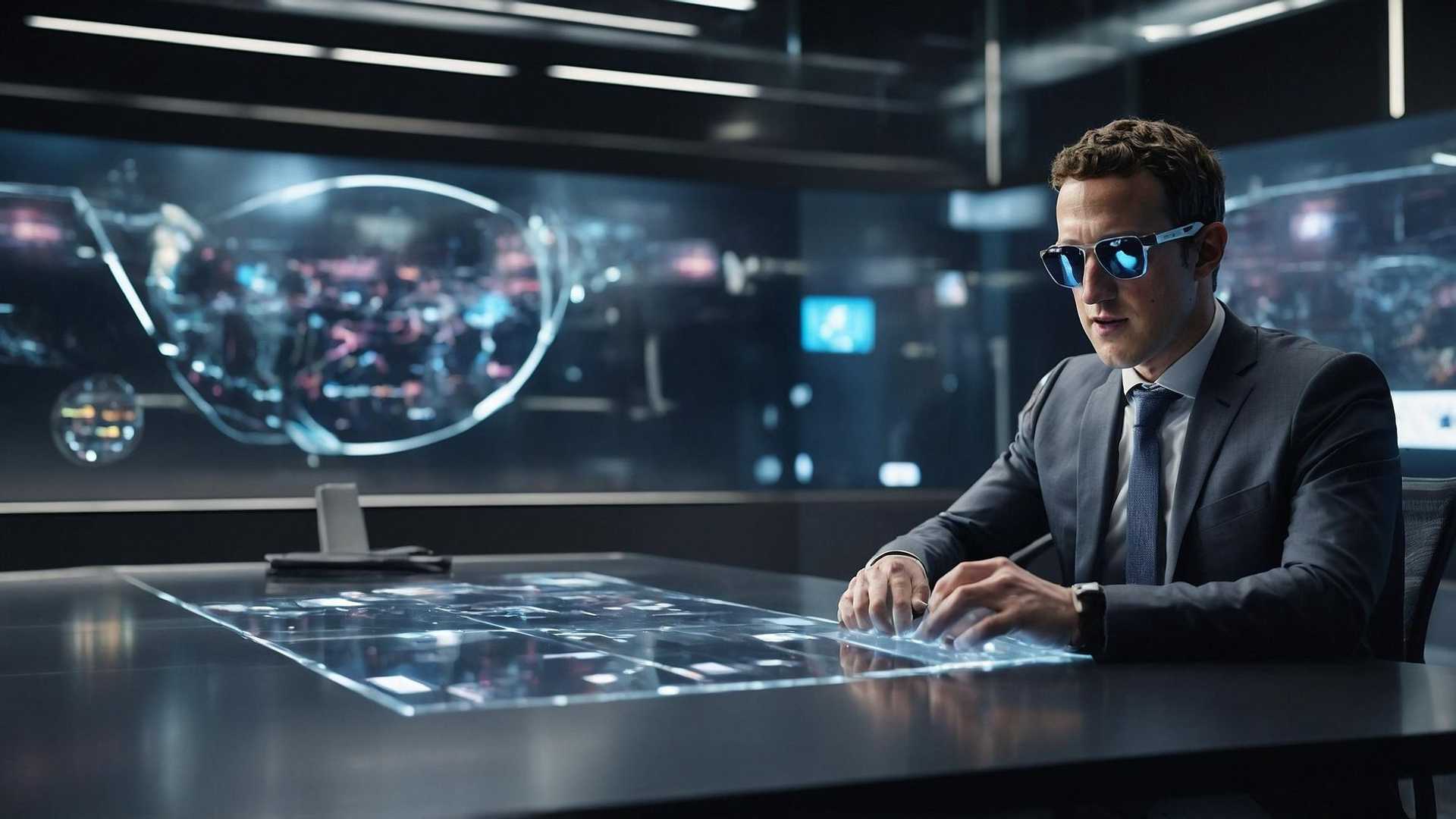
Meta has announced a significant restructuring within its Reality Labs division, now dividing it into two separate entities: Wearables and Metaverse. This strategic move, disclosed by The Verge after obtaining an internal memo from Meta's CTO Andrew Bosworth, may lead to some layoffs.
Bosworth stated, "With Quest 3 poised to bring mixed reality mainstream, we believe that our software platform is primed for consistent growth." He also expressed Meta's strong commitment to investing in Horizon, which acts as the underlying framework for their social, spatial Horizon OS, delivering top-notch experiences for both mixed reality and mobile platforms.
Innovative Product Experiences
The split of Reality Labs into Wearables and Metaverse, overseen by Vice President of Metaverse Technologies Vishal Shah, is intended to facilitate the creation of more cohesive product experiences across hardware, software, and overall user experiences, reducing friction and fragmentation.
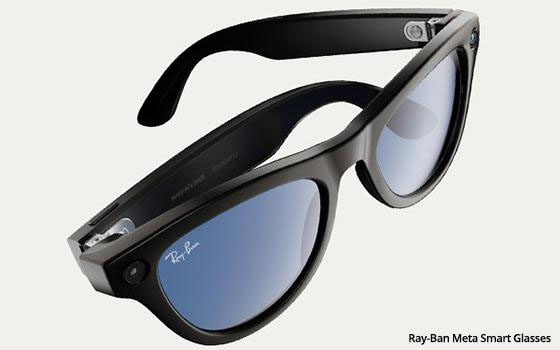
One of the driving factors behind the establishment of the Wearables division is the unexpected success of the Ray-Ban Meta glasses. Bosworth highlighted the overwhelming popularity of these glasses, stating that Meta intends to further explore the wearable Meta AI market, build a sustainable business around it, and broaden its user base.
Team Restructuring and Financial Concerns
All virtual-reality teams within Meta are being reorganized into two distinct groups: one dedicated to the Quest VR headset line and the other focusing on Meta's other hardware products. Unfortunately, this restructuring has led to some workforce reductions.

Aside from operational adjustments, this reorganization also aims to address investor worries. Despite revenue growth in Q1 and continued investment in AI technologies, Meta's expenditure on Quest headsets has not translated into significant sales figures. The division recorded losses of $3.8 billion in Q1 and substantial losses in recent years.
Future Strategies and Growth
Meta CEO Mark Zuckerberg previously hinted at this strategic shift in April, emphasizing the need to better articulate the value generated across both divisions. Bosworth clarified that only a small number of employees were affected by the restructuring, which was necessary to eliminate duplicate roles and streamline operations.

In conclusion, Meta's revamped organizational structure aims to enhance its focus on cutting-edge technologies and deliver more consistent and integrated product offerings. This restructuring addresses financial challenges while positioning the company for future expansion and innovation.
We are building the future together with you. We write content with maximum speed and excellent quality. Each material is accompanied by an analyst's commentary. © 2024 FinOracle.net - Your financial oracle, analytics and forecasts for stocks, cryptocurrency.