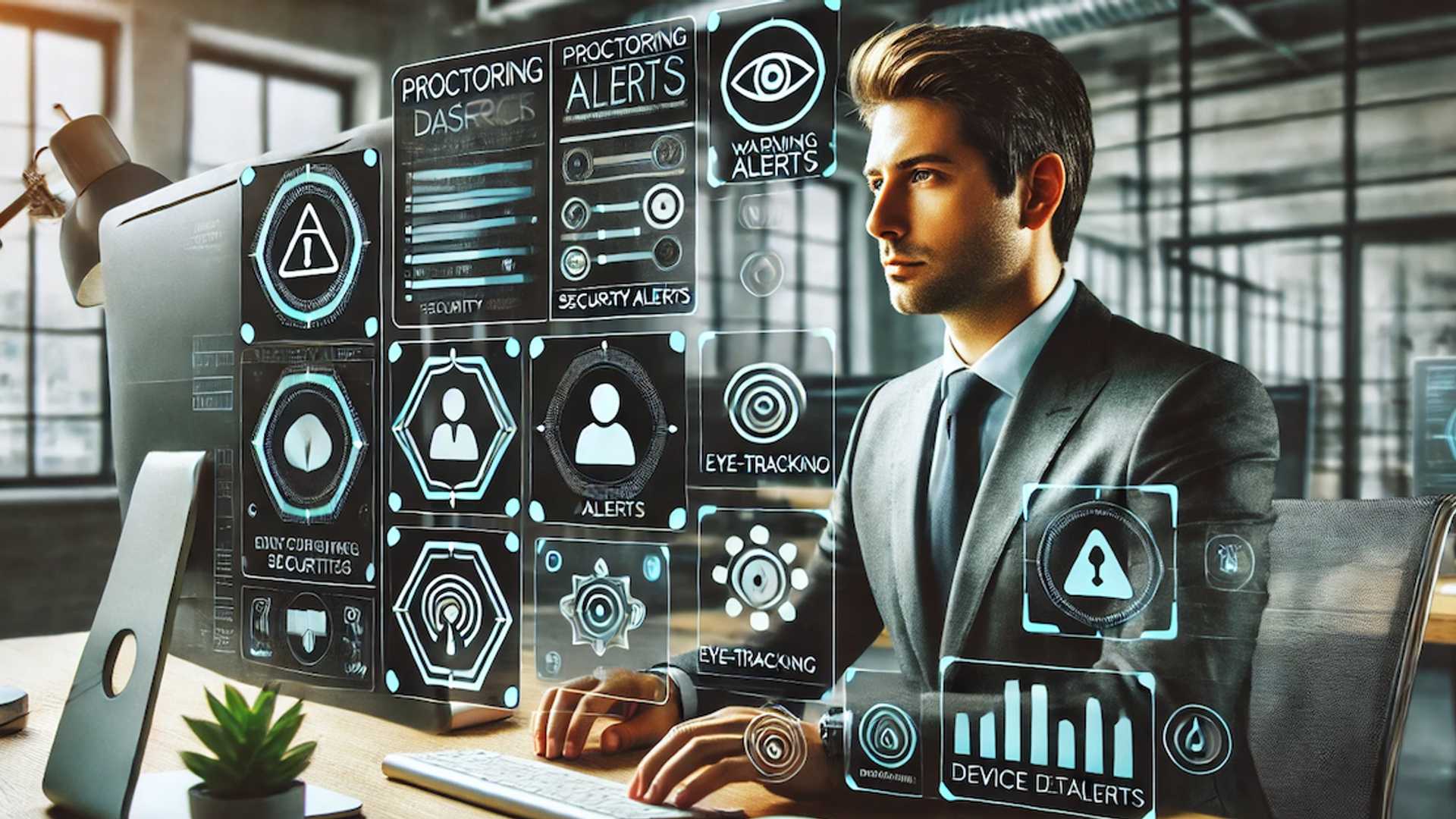
Understanding Proctoring Flags: How They Help Maintain Exam Integrity
Online exams have become the standard for universities, certification bodies, and businesses when conducting assessments. However, ensuring fairness and integrity in remote exams poses challenges. This is where proctoring flags play a vital role in maintaining exam integrity and preventing cheating.

What are Proctoring Flags?
Proctoring flags are alerts or notifications that are generated during an online exam when suspicious behavior is detected. These flags serve as indicators of potential misconduct and are triggered by AI-powered automated proctoring tools or human proctors monitoring the exam. They help institutions validate exam integrity by highlighting any irregularities.
Proctoring systems utilize various monitoring techniques such as facial recognition, eye-tracking, keystroke patterns, and audio detection to detect cheating behaviors. Common types of proctoring flags include:
- Candidate Absence or Face Not Detected: This flag is raised when the candidate's face is not visible for an extended period, indicating possible cheating.
- Multiple Face Detection: If more than one face is detected in the camera view, it may suggest unauthorized assistance.
- Unusual Eye Movements: Frequent looking away from the screen could indicate cheating with unauthorized notes or devices.
- Background Noise or Conversations: Detection of sounds like whispers or conversations can signal collaboration or external aids.
- Unauthorized Device or Application Usage: Flags are raised if candidates access unauthorized applications or devices during the exam.
- Sudden Internet Disconnection: Frequent internet disconnections can raise concerns about exam integrity.
- Keyboard and Mouse Inactivity: Extended periods of inactivity may signal external assistance.
- Secondary Camera Flags: Discrepancies between primary and secondary camera views indicate potential monitoring bypass attempts.
It's important to note that proctoring flags do not automatically disqualify a candidate but rather alert exam administrators for further review. Human proctors analyze flagged instances using recorded video feeds, screen activity logs, and audio playback to determine if any violations have occurred.








