OpenAI's new ChatGPT feature blends memory with search
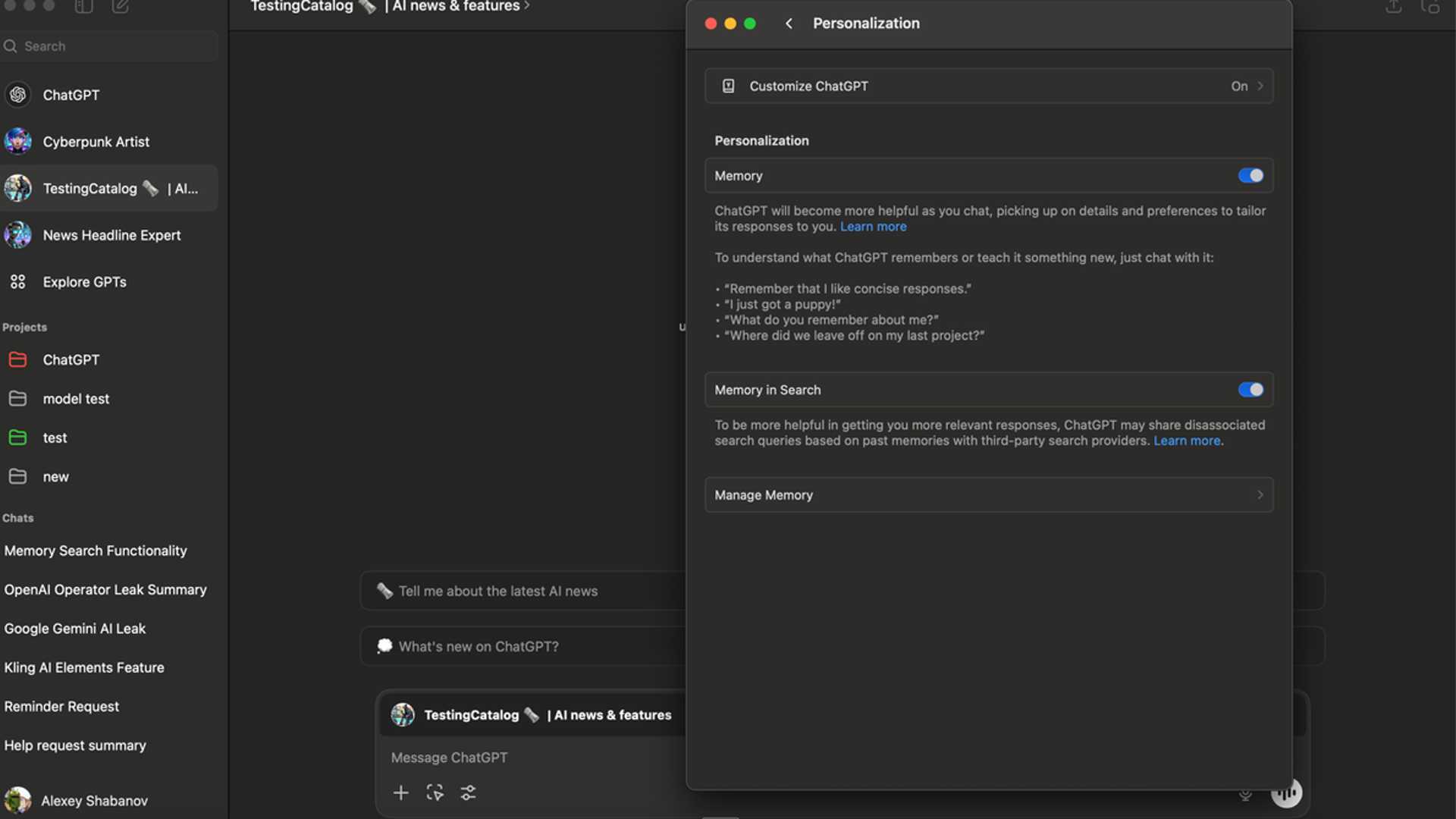
OpenAI is currently developing a new feature that combines memory with search functionality within ChatGPT. This feature is not yet publicly available and is still in the hidden phase. Once activated, this feature will enable ChatGPT to utilize stored memory to conduct more personalized and efficient searches. The macOS application has already shown a toggle for this capability under a feature flag.
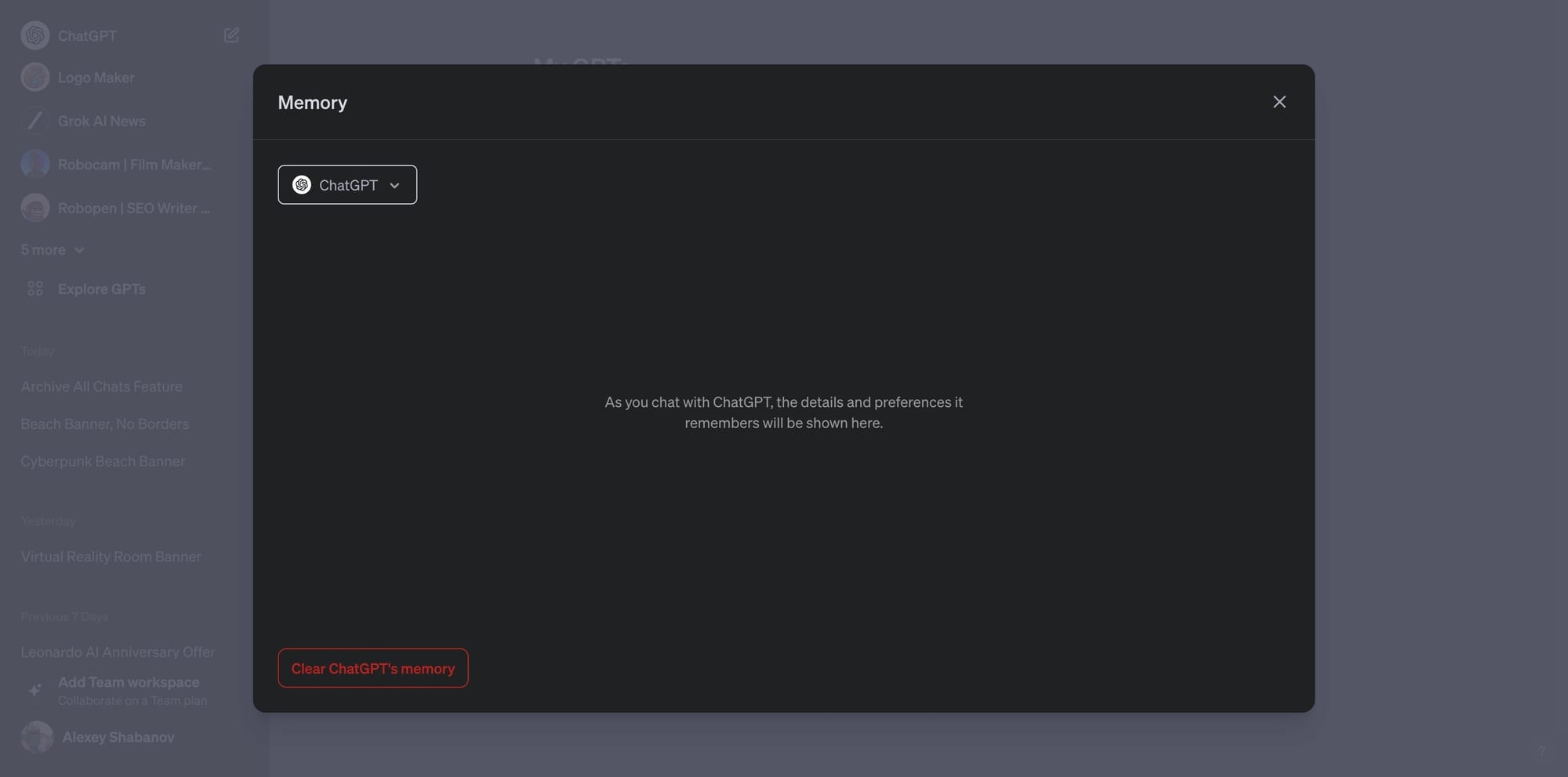
When enabled, ChatGPT will be able to leverage its memory to provide context-aware responses based on previous interactions with the user. For example, users can request specific information about themselves, and ChatGPT will retrieve relevant details from its memory to generate tailored answers. This approach aims to improve user interaction personalization, equipping ChatGPT to better address individual needs.
Memory Integration in Search Functionality
The integration of memory into search functionality appears to be operational on ChatGPT when activated. It can recognize user identities, ongoing activities, and potentially more. This development introduces a new dimension to AI tools, similar to cookies in web browsing, allowing for content personalization based on saved user data.

However, this advancement also raises concerns about potential opportunities for advertisers, sparking discussions about privacy and the impacts of targeted advertising within AI-powered systems. Despite these considerations, ChatGPT remains a versatile AI assistant capable of generating text, answering queries, and engaging in substantial conversations on a wide range of topics.
Enhanced Personalized Experience
With the integration of memory and search capabilities, ChatGPT's capacity to deliver a highly personalized user experience continues to expand. This enhancement positions ChatGPT as a valuable tool for both personal and professional applications, catering to a diverse set of needs and preferences.

DeepSeek recently introduced DeepSeek-R1, an open-source AI model that competes with OpenAI's o1 in performance. This release represents a significant milestone in the AI landscape, paving the way for a future news media landscape driven by virtual assistants.