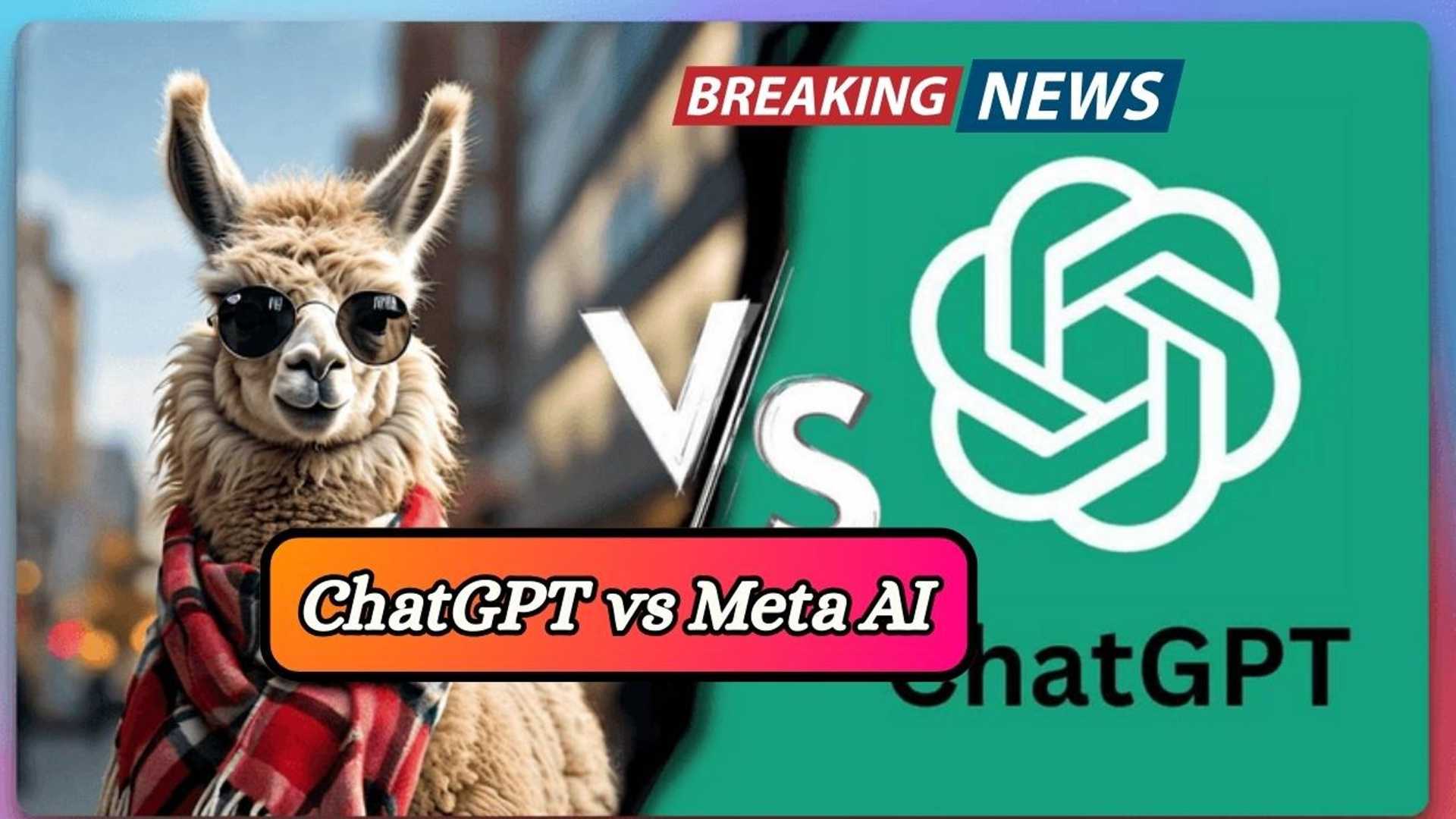
Meta Launches New AI Model, Strengthens Partnership With Nvidia
Meta recently introduced its latest version of the Llama artificial intelligence model, known as Llama 3.1, in collaboration with Nvidia. This new model comes in three different versions, with one of them being Meta's largest open-source AI model to date. This move positions Meta in direct competition with major tech players like Google, Amazon, OpenAI, and Anthropic.
Mark Zuckerberg, the CEO of Meta, expressed optimism about the future of Meta AI in a recent Instagram post. He mentioned that Llama 3.1 is more advanced, supports multiple languages, possesses enhanced reasoning abilities, and will soon be accessible in more regions globally.

Key Features of Llama 3.1
Compared to its predecessors, Llama 3.1 is significantly larger, equipped with 405 billion parameters that were trained using over 16,000 of Nvidia's H100 GPU chips. These chips, each valued between $30,000 and $40,000, empower the model to perform various tasks such as coding, solving basic math problems, and summarizing documents in eight languages.
Meta's training of Llama 3.1 involved a dataset comprising 750 billion words. The company emphasized the implementation of more stringent quality assurance and data-filtering processes during development, as well as the utilization of synthetic data generated by other AI models for fine-tuning purposes.
Enhanced Performance and Partnerships
The inclusion of recent web data and a more extensive range of non-English data has bolstered Llama 3.1's performance, particularly in catering to non-English speakers and staying updated on current affairs. Meta has collaborated with twenty-four companies, including Microsoft, Amazon, Google, Nvidia, Azure, Dell, and Databricks, to facilitate the customization of models and data training for Llama 3.1 by developers.
This collaborative approach sets Meta apart from competitors like OpenAI, which typically monetizes access to large language models and associated services. Mark Zuckerberg highlighted the company's commitment to forging partnerships that enable other ecosystem players to provide unique functionalities to their customers.