Meta AI Just Got A Massive Update! See What's New - ValueX2
Meta AI launches an app for 1 Billion+ potential users overnight, and Meta can give a huge thanks to its Facebook, Insta & WhatsApp reach. This blog will show how it stacks up against Giants and how a working professional can benefit from this new App.
We all have a good idea of how fast the AI industry is going. Every tech giant is trying to take the next step and trying to bring something new to the table. We won’t be surprised if there is something better than this model tomorrow.
Let’s not waste time and break the big news to you. Meta, which includes Facebook, Instagram, and WhatsApp, made a significant announcement. Meta launched its standalone Meta AI app on April 29, 2025, at its first LlamaCon developer conference. Before discussing this app, we will discuss how it is different and, yes, a game-changer regarding productivity. This move that Meta made shows that Meta wants to have its unique space in the world of AI. One of the reasons why many users like Meta is that they are committed to providing a highly personal experience. Meta was previously connected to all of the social media. Now, with the App, they wish for its AI to be an ultimate assistant; the funny part is they already have a billion people base, and now they can expand after this move. Let’s explore what Meta AI has to offer, how it works, how it stacks up, and why flexibility is the name of the game now.
What is Meta AI’s Ecosystem?
First, let’s talk about what the Meta AI app is. It’s a standalone app, free on Android, iPhones, and iPads. It provides users with a place to engage with Meta’s AI assistant. That’s different from when it was last integrated into Meta’s other apps. But calling it “standalone” doesn’t do it justice. The App is a rebranded and highly improved version of the “Meta View” app. People used the App primarily for Meta’s Ray-Ban smart glasses. This move tells us about Meta’s strategy. By incorporating the glasses App into the fundamental AI interface, Meta is attempting to make its AI experiences more inclusive and high-end on all its platforms. The goal is to make Meta AI ubiquitous and everywhere. You can find it while swiping on Instagram, messaging on WhatsApp, browsing Facebook, Messenger, or even with your Ray-Ban Meta glasses. For current Meta View users, the process should be easy. Their paired devices, preferences, and content will automatically migrate to the new Meta AI app.
This close integration overflows into its operation, too. You can start an AI chat using a voice command with your glasses and resume it later within the App or on the web at meta.ai. This convergence of services signals Meta’s ambitious vision: to build an AI layer that brings its software and hardware together. This could make the assistant a gateway to enjoying Meta’s world and render the return journeys more probable.
You may also find this article interesting: Grok AI: Is Elon Musk’s AI Chatbot the Real Deal?
How Good Is Llama 4?
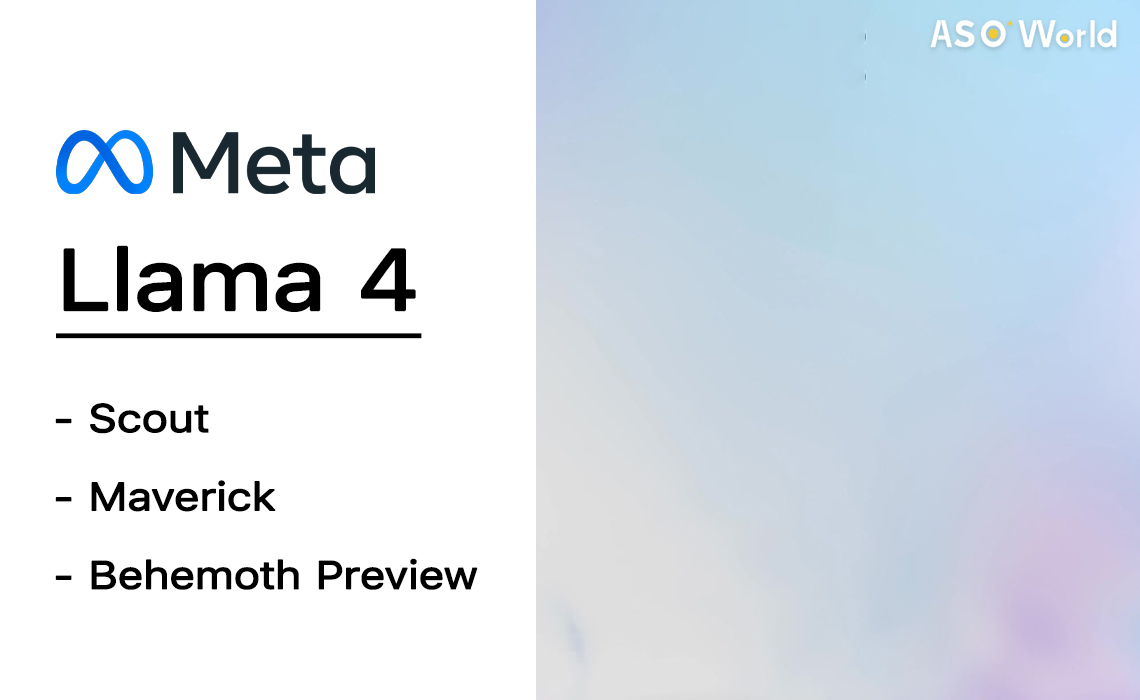
The force behind this personal experience is Meta’s latest large language model (LLM), Llama 4. Before this, they used Llama 3.3 with 70 B parameters as their strongest model. LLMs can be tricky at times, but Llama 4 is said to be enabling a couple of significant things in the App.
Better Conversations: Llama 4 tries to generate responses that sound more natural, personal, and to the point than before.
/wion/media/media_files/2025/04/29/eqW1STY540bUQs7DeJr5.png)
Improved Thinking: The following model improves at thinking out of trouble and being directed. This can make the AI more helpful and manageable. But, like most AIs today, sometimes it gets incorrect or “hallucinates,” i.e., gives erroneous information. For most working professionals, it’s recommended to have AI assistant apps on their phones so that if one makes a mistake, they can look for better results somewhere else.
It’s reassuring to hear that AI performance is so competitive when compared. There has been some discussion about how well Llama 4 versions work, particularly in benchmarking tests. Although Llama 4 is indeed powerful, the particular version within the free App may differ from special models designed for benchmarking. This is to say, although users get the benefits of Llama 4’s advances, their experience may not necessarily meet the best performance figures that appear in technical comparison.
You may also find this article interesting: ChatGPT vs. DeepSeek: Which AI Model is Better?
Key Features That Set Meta AI Apart
Meta AI isn’t just trying to copy existing chatbots. It’s adding features that use Meta’s special strengths in social networks and user data. The most significant distinction is Meta AI’s intensive personalization. Connecting your Facebook and/or Instagram accounts (via Meta’s Accounts Center) allows the AI to access a great deal of information. That includes your profile data, what you engage with and like on posts, and maybe data from past conversations within Meta’s apps. The App also has a “Memory” feature. This enables it to recall some things you tell it or learn from chat, like where you’d like to go on vacation or the birthdays of loved ones. This makes further chat more applicable.
The idea is an AI helper that truly “gets to know you.” It can provide more helpful tips and contextually appropriate answers. For instance, consider requesting ideas for a holiday, and the AI already has knowledge that you like beaches and low-cost airlines due to your previous activity. Based on years of social media use, this kind of personalization is hard for competitors to match if they don’t have access to that big social network. This sophisticated feature of personalization is starting in the US and Canada.
However, this potential already raises privacy issues. Specific customers and critics are concerned about their vast social media history being utilized to train or direct an AI. They describe it as possibly “intrusive” or as their previous digital life being “turned against them” lightly. Meta’s unique advantage – access to unprecedented user information – can thus be a two-edged sword. Its success will likely hinge on showing value that tips the balance beyond these privacy concerns and offering users t