
ChatGPT Faces Legal Challenges Over Misleading Information and...
The rapid advance of artificial intelligence (AI) has sparked a revolution in how we access and interact with information, but it has also raised significant ethical and legal questions. One of the most striking illustrations of the potential pitfalls of AI is the recent legal challenge facing ChatGPT, a widely-used AI chatbot developed by OpenAI. In March 2025, Austrian privacy organization Noyb lodged a formal complaint claiming that ChatGPT falsely accused a user of being a child murderer, highlighting a critical issue: the accuracy and accountability of AI-generated content.
![20 biggest GDPR fines so far [2025] – Data Privacy Manager](https://dataprivacymanager.net/wp-content/uploads/2024/12/20-biggest-GDPR-fines-so-far-1024x538.png)
AI-generated Content and Ethical Concerns
AI systems like ChatGPT are designed to generate human-like responses based on vast datasets. However, one of the notable drawbacks of these technologies is a phenomenon known as "hallucination," where the AI fabricates information or provides responses that are entirely incorrect or misleading. The inaccuracies may lead to severe reputational damage for individuals, emphasizing the necessity for robust mechanisms to ensure accuracy and accountability in AI systems.
Data Accuracy and Privacy Regulations
Noyb's complaint was based on broader concerns regarding data accuracy and privacy violations under the European Union's General Data Protection Regulation (GDPR). The organization asserts that OpenAI's failure to maintain accurate data means they are in direct violation of the regulation, which mandates that personal data must be accurate and kept up to date. The consequences of inaccurate information generated by AI are serious, leading to potential reputational harm for individuals involved.
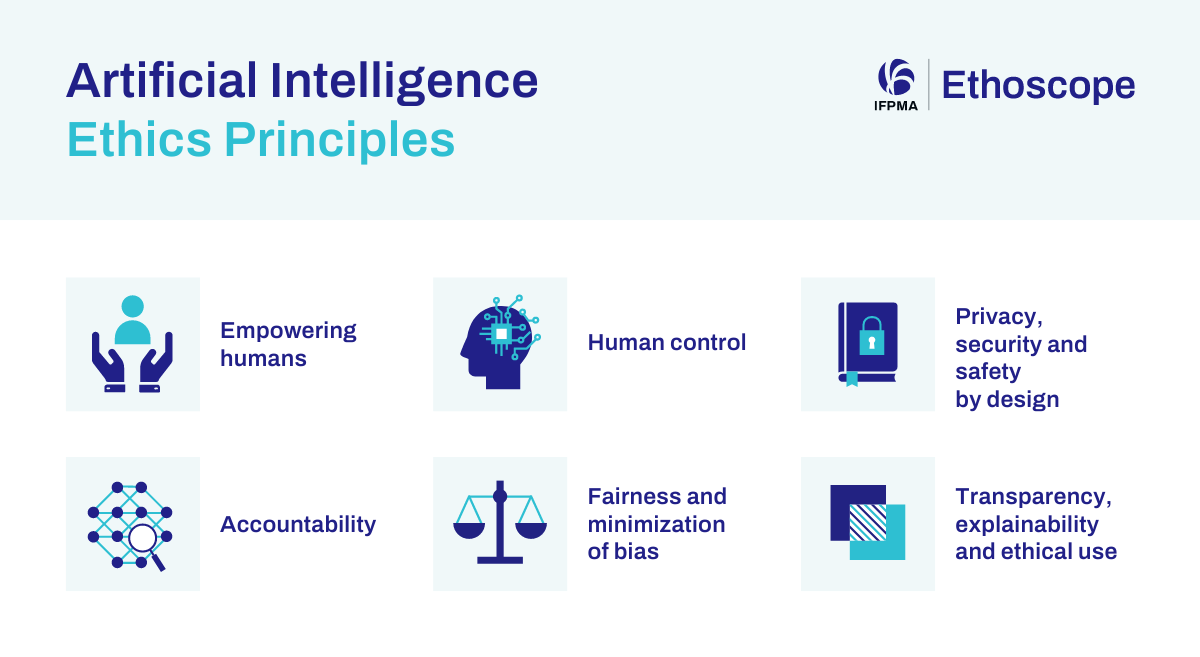
Enhancements and Future Implications
In response to Noyb's allegations, OpenAI has enhanced ChatGPT's capabilities, allowing the AI to search for real-time information when users ask about individuals. This update aims to mitigate the risk of generating erroneous data about specific people. Nonetheless, concerns persist that inaccuracies may still reside within the AI's underlying model, exposing users to the continued risk of fabricated reports.
Regulation and Technological Development
As data protection authorities grapple with these challenges, the landscape of regulation and technological development remains dynamically intertwined. The collaborative effort for a European AI task force aims to address emerging risks and coordinate enforcement actions across the continent, highlighting the evolving nature of AI ethics and accountability.
AI Accountability and Future Trends
Noyb's legal action against ChatGPT reflects a broader trend where regulatory bodies worldwide are scrutinizing AI's implications for privacy and data protection. This case sets a precedent for organizations to adopt higher standards in AI systems or face substantial repercussions, underscoring the importance of reliable and ethical AI development.
Conclusion
The landscape of AI technology serves as a reminder of the delicate balance between innovation and ethical responsibility. Collaborative efforts are essential to establish a future where AI technologies can thrive without undermining individual rights or spreading misinformation. The ongoing dialogue around AI accountability will likely lead to enhanced trust and ethical practices in the digital sphere.