OpenAI Expands ChatGPT's Customization and Memory Features
READY TO FLY HIGHER? Imagine a virtual assistant that not only responds to your queries but also recalls previous conversations to provide tailored responses. The latest update from OpenAI for ChatGPT is set to transform how users interact with the platform, adding depth and personalization unlike anything seen before. Following the rapid evolution of artificial intelligence, OpenAI has launched a significant expansion of ChatGPT’s customization and memory capabilities, ushering in an era of more intelligent and context-aware interactions. This article explores the updates, their implications for users, and how they might shape the future of human-machine communication.
Enhanced Memory Interface
As users increasingly rely on AI for information and assistance, the ability to remember past interactions is vital. The previous iteration of memory features allowed users to ask ChatGPT to recall certain pieces of information, yet this was a limited and manual process. Users often found themselves frustrated when the AI’s memory capabilities fell short or when it mistakenly recalled irrelevant data.
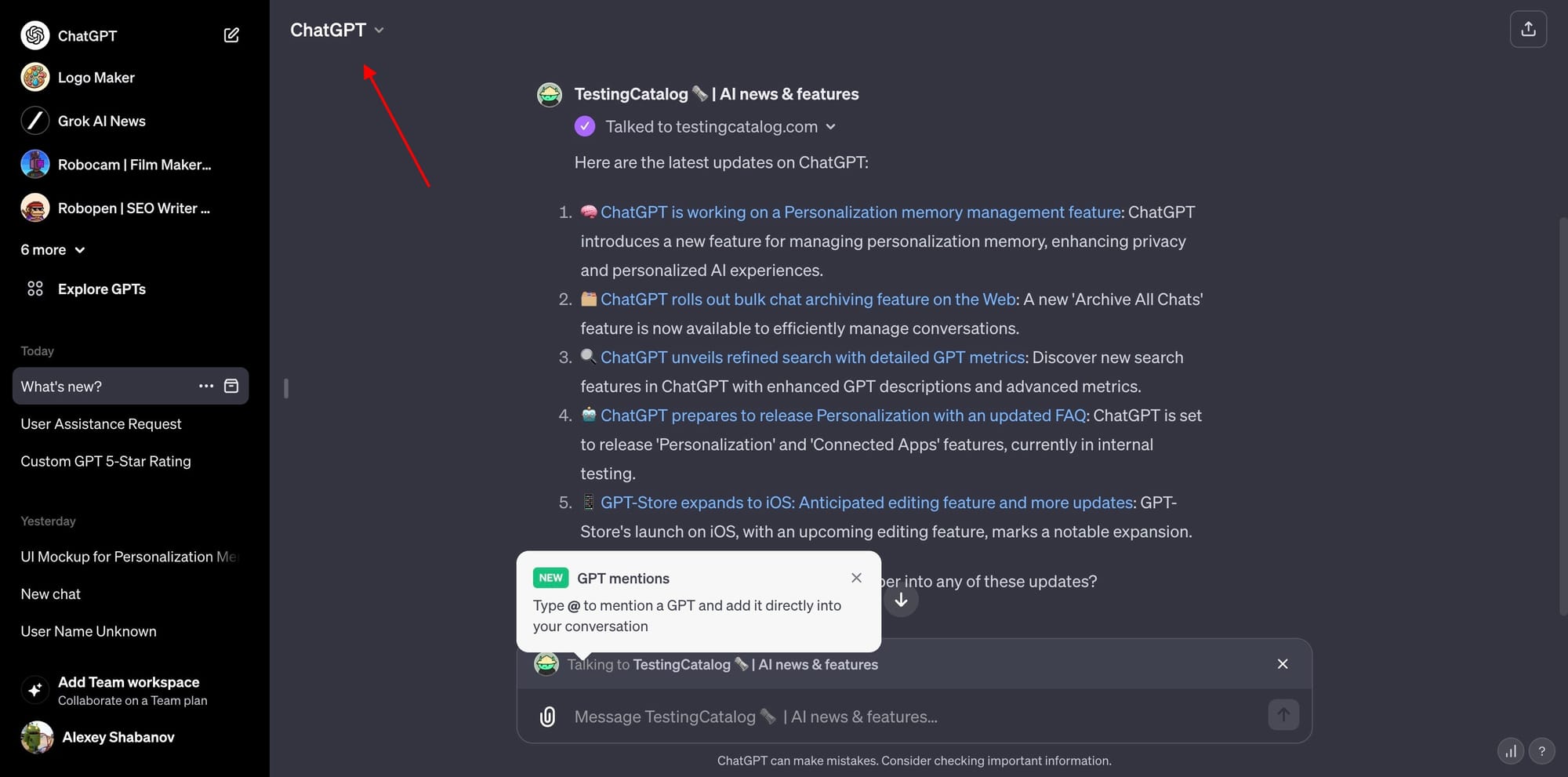
Today’s updates promise to address these shortcomings with a refined memory interface. OpenAI has implemented a consolidated tickbox for users to easily enable or disable memory features, which streamlines the process and makes the experience more intuitive. This enhancement indicates an ongoing commitment to meet user needs through continuous improvement.
Primary Memory Functionalities
With the recent rollout, users will notice two primary memory functionalities:
- Enhanced Personalization
- Improved Context Awareness
Implications of Memory Expansion
The implications of expanding memory capabilities touch on several areas, including user experience, data privacy, and overall functionality. The enhanced customization will significantly personalize user experiences. Users can expect ChatGPT to better understand their preferences and needs over time, producing tailored responses that feel more conversational than transactional.
As AI becomes more personalized and context aware, data privacy remains a paramount concern. OpenAI's announcement did not delve into comprehensive data privacy strategies related to the new memory features, which raises important questions.
Real-World Applications
How will these new features manifest in real-world use? The applications span various sectors, from education to customer service. In educational contexts, personalized learning experiences facilitated by AI can profoundly impact student engagement. In customer service, enhanced memory features allow companies to provide seamless support processes.
Rollout and Accessibility
The rollout of these features will initially focus on ChatGPT’s Plus and Pro tiers, which reflects OpenAI’s strategy to incubate advanced functionalities within its premium user base before broader dissemination. While some regions and countries will not receive immediate access to these updates, forthcoming announcements from OpenAI suggest potential inclusion for Team, Edu, and Enterprise accounts in the near future.
Future Developments
Continuing advancements could also lead to new paid tiers that cater to users seeking even more customized experiences. OpenAI's expansion of ChatGPT's customization and memory settings represents a significant milestone in the quest for more intuitive AI interactions.
As these features continue to develop, users and industries alike will witness the tangible benefits of AI that understands context, fosters engagement, and evolves with each interaction, redefining our relationship with technology. The effectiveness of these advancements will be measured not just in functionality but also in how they respect user privacy and enhance genuine communication.