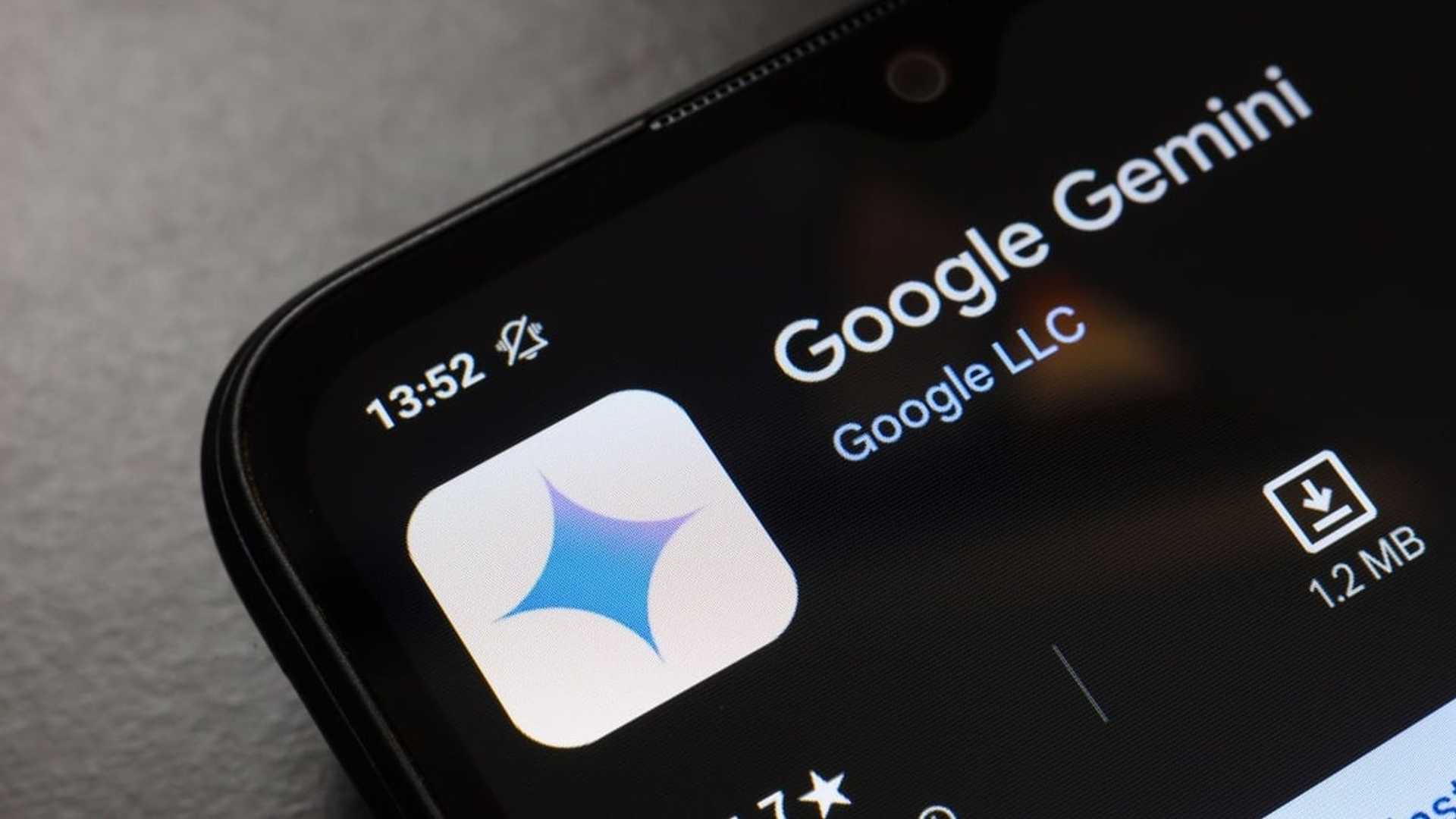
Google's Gemini 2.5 Advances
Google's latest update to its Gemini 2.5 AI model looks promising, especially with improvements in coding and reasoning tasks enhancing its enterprise appeal.  Volvo's multi-adaptive safety belt is a real innovation, utilizing real-time data to tailor seatbelt performance and reinforcing their commitment to safety. Also, check out our partner TimeOS, building expert level workflows from each call! Let's get right into it.
In this issue:
- In Partnership: Turn meetings into motion
- Deep Dive: Google’s enhanced Gemini 2.5
- AI Art: Examples of great and trending AI art
- Supported by: Smarter mornings start here
- Deep Dive: Volvo’s smart seatbelt
- Tool Snapshots: Tools for AI, no-code, and productivity
- Top News: News on AI, no-code, and productivity
Google Upgrades Gemini 2.5 Pro AI Model for Enterprise Applications
Google has announced the release of its enhanced AI model, Gemini 2.5 Pro, which boasts significant improvements and is set to be available for enterprise use in the coming weeks. Gemini 2.5 Pro has achieved notable Elo score improvements, gaining 24 points on LMArena (totaling 1470) and 35 points on WebDevArena (totaling 1443), positioning it at the top of both leaderboards.
The model continues to excel in coding benchmarks, particularly in complex tasks, leading in benchmarks like Aider Polyglot. It demonstrates strong capabilities in math, science, knowledge, and reasoning on challenging tests like GPQA and Humanity’s Last Exam (HLE). Developers can access the upgraded model through the Gemini API on Google AI Studio and Vertex AI, which now includes 'thinking budgets' to help manage costs and performance latency.
Volvo Unveils Innovative "Multi-Adaptive Safety Belt" to Enhance Vehicle Safety
Volvo is reimagining seatbelt technology with its new multi-adaptive safety belt, which utilizes real-time vehicle data to provide personalized protection, reinforcing the company's long-standing commitment to safety. The new design leverages advanced vehicle sensors, cameras, and computing power to tailor seatbelt performance to individual occupants and driving conditions. The multi-adaptive safety belt expands load-limiting profiles from three to 11, allowing for more nuanced adjustments based on crash scenarios.
Using real-time data about the occupant's height, weight, body shape, and seating position, the belt's settings can adjust to optimize safety. For example, larger occupants receive a higher load setting, while smaller individuals benefit from lower settings during milder crashes. In the event of a crash, the vehicle's safety systems will analyze data such as direction, speed, and passenger posture to determine the optimal force to apply through the seatbelt.
The belts can be updated over the air, suggesting they will improve in efficiency and effectiveness over time based on ongoing data assessments. Volvo's determination to prioritize safety is also reflected in its decision to limit vehicle speeds to 112 mph, lower than the norms set by other luxury brands for improved safety. The multi-adaptive seatbelts will make their debut in the upcoming Volvo EX60, a mid-sized electric SUV expected to launch next year.
Futuristic tools within AI, no-code, and productivity
Click here to explore more futuristic tools within AI, no-code, and productivity.