
The Future of AI: Top 10 Predictions for the Remainder of 2024
As we approach the midpoint of 2024, AI continues to evolve and reshape various industries. Here are the top 10 trends and predictions for the rest of the year.
1. Generative AI Tools
Generative AI tools are set to become mainstream, driving innovation in content creation across text, images, videos, and music. This technology enhances productivity and creativity, significantly impacting multiple sectors. Tools like OpenAI, DALL-E Open Ai, and Runway video models, are leading this transformation.
2. Custom AI Solutions
Businesses will increasingly focus on custom AI solutions tailored to specific needs. This shift allows companies to integrate AI seamlessly into their unique environments, enhancing operational efficiency and providing a strategic edge. Companies like C3.ai and DataRobot offer platforms for building customized AI applications.
3. API Integration
APIs are becoming the backbone of AI integration, simplifying adoption and connectivity between different platforms. This trend is democratizing AI, making it accessible to organizations with varying levels of in-house expertise. Examples include Google's AI/ML API suite and Amazon's AWS AI services, which offer hundreds of AI models at your fingertips.
4. Sustainable AI Models
As AI models grow more complex, their environmental impact becomes a concern. In 2024, the focus will be on developing smaller, energy-efficient models that maintain high performance while reducing resource consumption. Companies like Blaize are pioneering sustainable AI edge platforms, promoting eco-friendly AI development.
5. Open-Source AI Models
Open-source AI models are fostering global collaboration and accelerating innovation. This movement makes advanced AI technologies more accessible and robust, benefiting from collective contributions from developers and researchers. Tools like TensorFlow, PyTorch, and ClearML are at the forefront of this open-source revolution.
6. AI in Cybersecurity
AI's role in cybersecurity is becoming critical, with tools for real-time anomaly detection, intelligent authentication, and automated incident response enhancing security measures. These advancements are essential for protecting sensitive data and maintaining robust defenses against sophisticated cyber-attacks. Companies like Darktrace and CrowdStrike are leaders in AI-powered cybersecurity.
7. Optimized AI Architectures
Emerging AI architectures that optimize resource usage are set to revolutionize the field. These models offer faster processing and lower energy consumption, unlocking new applications in areas previously constrained by computational limits. NVIDIA AI new AI chips and Google's Tensor Processing Units (TPUs) exemplify these advancements.
8. Multimodal AI
Multimodal AI, which can process and respond to text, audio, and visual inputs simultaneously, is enhancing human-machine interactions. This capability creates more natural and engaging user experiences, setting a new standard for AI systems. Examples include OpenAI's GPT-4o and Google DeepMind's Gemini models.

9. AI Regulation
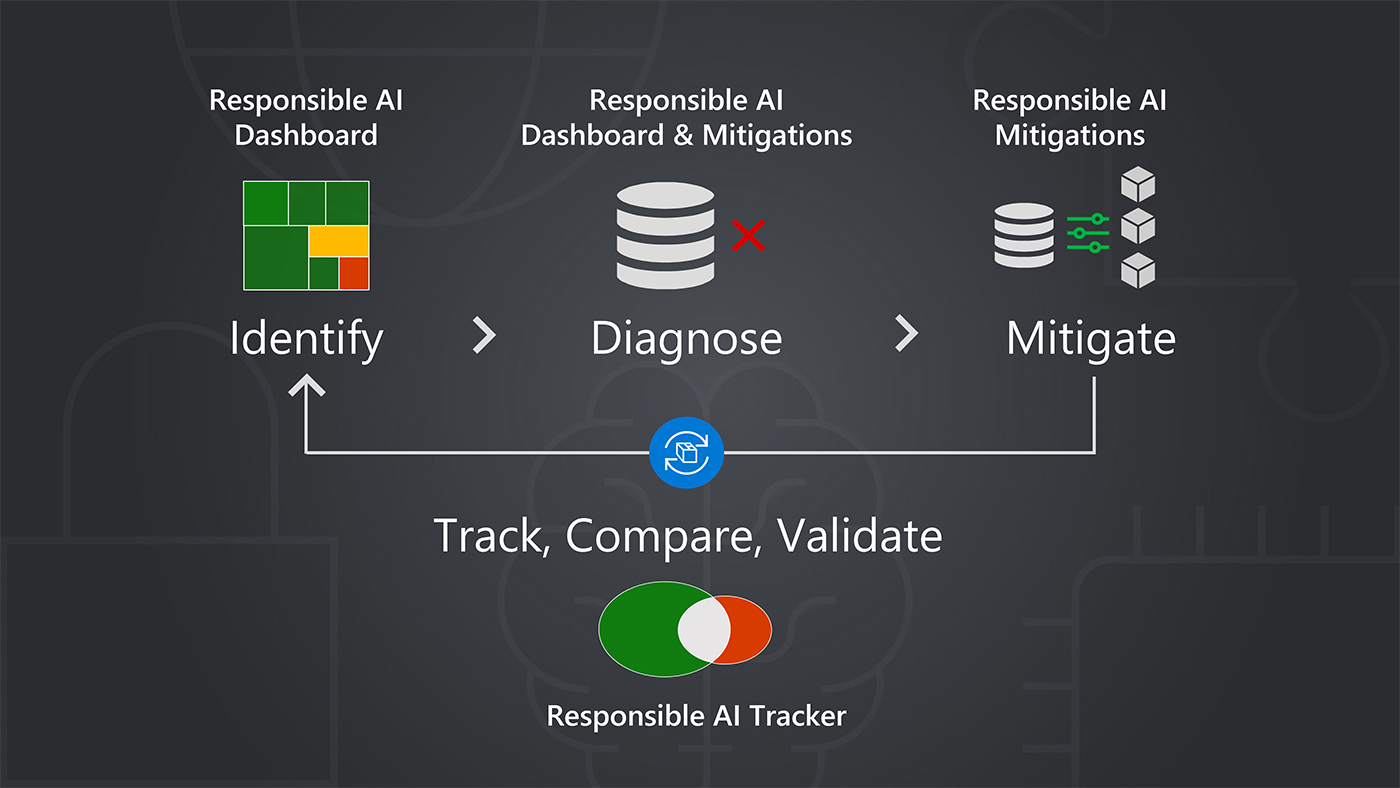
The rapid growth of AI has sparked a global conversation about the need for regulation. The EU AI Act, set to be implemented in 2024, represents a significant step towards establishing comprehensive guidelines for AI usage, ensuring ethical and responsible deployment. Similar regulatory efforts are underway.