Ghibli-style AI art brings ethical, copyright concerns for ChatGPT ...
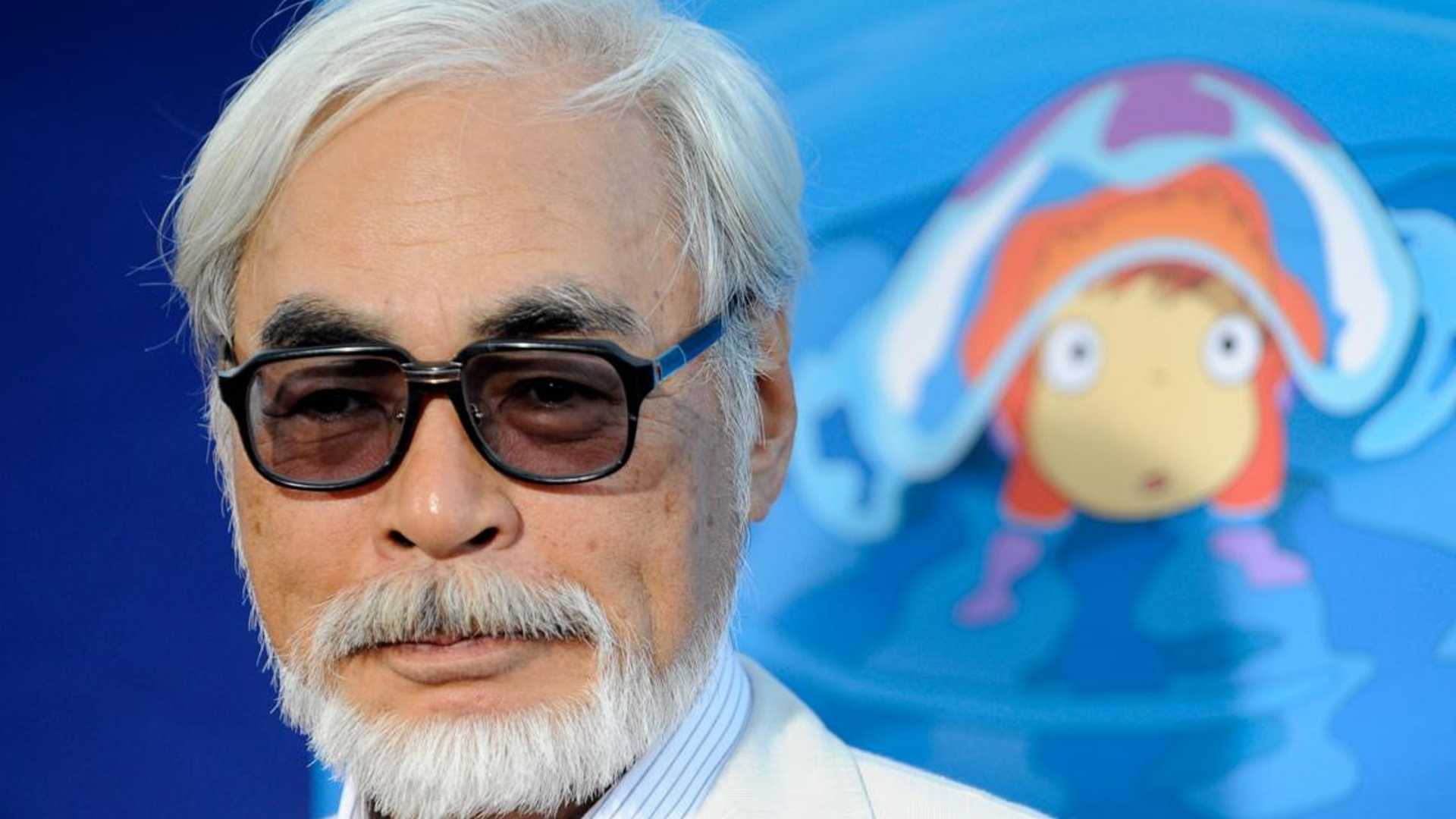
Fans of Studio Ghibli, the renowned Japanese animation studio known for masterpieces like "Spirited Away," were thrilled with the latest development from ChatGPT. This new version allowed users to transform popular internet memes or personal photos into the distinctive style of Ghibli founder Hayao Miyazaki.
The Impact of Ghibli-style AI Art
However, this trend also raised ethical concerns regarding artificial intelligence tools trained on copyrighted creative works and its implications for the future of human artists' livelihoods. Hayao Miyazaki, known for his hand-drawn approach and whimsical storytelling, has been skeptical about AI's role in animation.
Users like Janu Lingeswaran experienced the magic firsthand when they uploaded personal photos into ChatGPT's image generator tool and witnessed their images transformed into the enchanting Ghibli style. This unique blend instantly captured the essence of Miyazaki's iconic feline characters from beloved films like “My Neighbor Totoro” and “Kiki's Delivery Service.”

Concerns and Controversies
While many celebrated the "Ghiblification" of their images, concerns arose about the ethical implications of using AI to replicate the artistic style of renowned creators like Miyazaki without explicit permission. OpenAI, the creator of ChatGPT, faced scrutiny over copyright issues, especially as the tool's popularity grew.
Studio Ghibli has yet to comment on this trend, leaving many to ponder the implications of AI-generated art on the future of creativity and intellectual property rights.
Legal and Ethical Implications
Legal experts have emphasized the importance of obtaining proper licensing and permissions when training AI models on copyrighted works to avoid potential copyright infringement. Questions have been raised about the distinct line between artistic inspiration and replication, particularly in the case of generating AI art in the style of a specific artist or studio.
Artist Karla Ortiz, who is involved in a copyright infringement case with other AI image generators, criticized the exploitation of artists' work for commercial gain, highlighting the need for greater respect for intellectual property rights in the digital age.
As the debate on Ghibli-style AI art continues, the intersection of technology, art, and ethics raises complex questions about creativity, originality, and the future of artistic expression.