The hottest AI models, what they do, and how to use them ...
AI models are being developed rapidly by a variety of companies, ranging from industry giants like Google to emerging startups such as OpenAI and Anthropic. With the sheer number of models available, it can be challenging to keep up with the latest advancements. Compounding this challenge is the fact that AI models are often marketed based on technical benchmarks which may not necessarily reflect their real-world utility.
To help navigate this landscape, TechCrunch has curated a list of the most cutting-edge AI models released since 2024, detailing their functionalities and optimal use cases. This list will be continuously updated to include new launches, ensuring readers stay informed about the latest developments in the field.
OpenAI Orion
OpenAI's Orion is hailed as their largest model to date, boasting advanced capabilities in "world knowledge" and "emotional intelligence." While it may not excel in all benchmarks compared to newer models, Orion remains a compelling option. Accessible to subscribers of OpenAI's $200 monthly plan.
Anthropic Sonnet 3.7
Anthropic introduces the industry's first 'hybrid' reasoning model with Sonnet 3.7, offering users the flexibility to provide quick answers or deep reflections. Available to all Claude users, with heavier users requiring a $20 per month Pro plan.
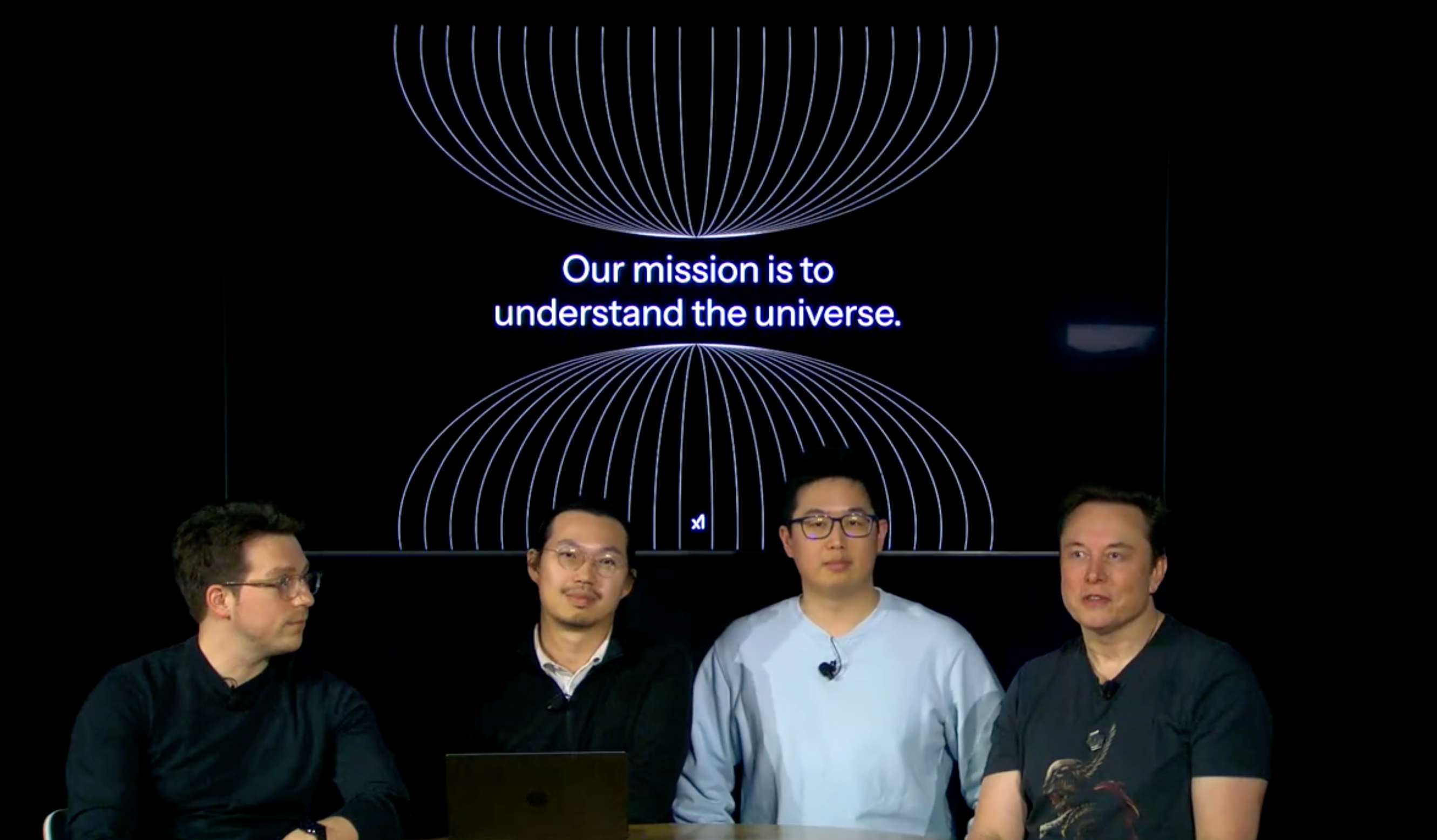
xAI Grok 3
Grok 3, the latest flagship model from xAI, is designed to outperform leading models in mathematical, scientific, and coding tasks. Users can access the model through X Premium subscription at $50 per month.

OpenAI O3 Mini
OpenAI's O3 Mini is their latest reasoning model optimized for STEM-related activities. Despite not being the most powerful model, its smaller size significantly reduces costs, offering free access with subscription options for heavy users.
OpenAI Deep Research
OpenAI's Deep Research is tailored for in-depth research tasks with clear citations, exclusively available with ChatGPT's $200 per month Pro subscription. Recommended for various research disciplines, though challenges like hallucinations persist.
Mistral Le Chat
Mistral introduces Le Chat, a multimodal AI personal assistant available as app versions that offer rapid responses. Le Chat's performance, while impressive, may exhibit errors compared to other models.
Google Gemini
Google Gemini's flagship model excels in coding and general knowledge understanding, with a notable context window of 2 million tokens. A Google One AI Premium subscription starting at $19.99 per month is required for access.
DeepSeek R1
DeepSeek's R1 model has garnered attention in Silicon Valley for its prowess in coding and mathematics. Its open-source nature allows local operation, though concerns about censorship and data privacy have been raised.
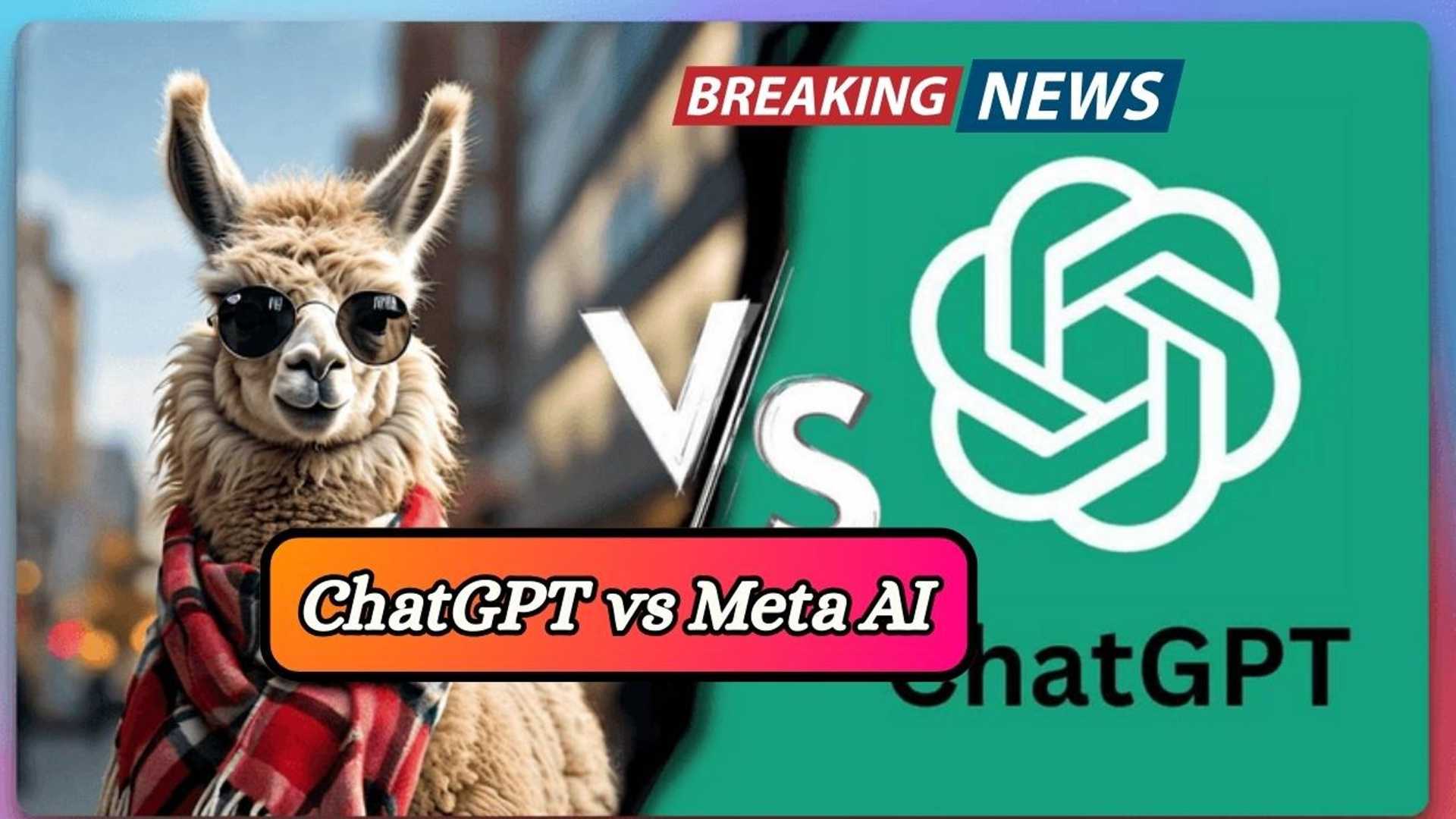
Meta Llama
Meta's Llama AI models have been upgraded to enhance efficiency in math, general knowledge, and task execution. This latest version is touted as the most cost-effective and resource-efficient iteration yet.
OpenAI Sora
OpenAI's Sora model generates realistic videos based on text inputs, though it may exhibit inconsistencies in physical accuracy. Exclusive to paid versions of ChatGPT, starting with the Plus tier at $20 per month.
Alibaba R1
Alibaba's R1 model competes with industry benchmarks in math and coding tasks, albeit with room for improvement in common-sense reasoning. It integrates Chinese government censorship measures, drawing scrutiny for privacy concerns.
Anthropic Claude's Computer Use
Claude's Computer Use functionality aims to streamline tasks like coding and bookings, resembling a precursor to OpenAI's Operator. Still in beta, pricing is based on API token usage.
xAI Grok
xAI introduces an enhanced version of its Grok 2 chatbot, claiming a threefold increase in speed. Various subscription tiers offer different levels of access, with limitations on free users.