The '3-word rule' that makes ChatGPT give expert-level responses...
When you purchase through links on our site, we may earn an affiliate commission. Here’s how it works.
ChatGPT can do a lot. It can be used to write essays, summarize meetings and even act as your therapist in a pinch. But if you’re still struggling to get personalized responses that go beyond the bland or overly basic, the problem might not be the AI. It could be your prompt.
The "3-word rule" explained
That’s where the “3-word rule” comes in — a super-simple prompt tweak that can take your chatbot from surface-level answers to something that feels custom, thoughtful, and expert-level.
No, the three little words are not “I love you” — but it doesn’t hurt to be polite. The concept is simple: Add a short, three-word directive to your prompt that tells ChatGPT how to respond. These three words can instantly shape the tone, voice, and depth of the output. You’re not rewriting your whole question. You’re just giving the AI a lens through which to answer.
Here are a few examples that work surprisingly well:
- “Like a lawyer” — for structured, detailed, and logical responses
- “Be a teacher” — for simplified, clear, and educational explanations
- “Act like Hemingway” — for punchy, minimalist writing with impact
It’s kind of like casting the AI in a role, and then you're directing the performance with the specifics in your prompts.
Enhance your ChatGPT responses with the "3-word rule" Image:
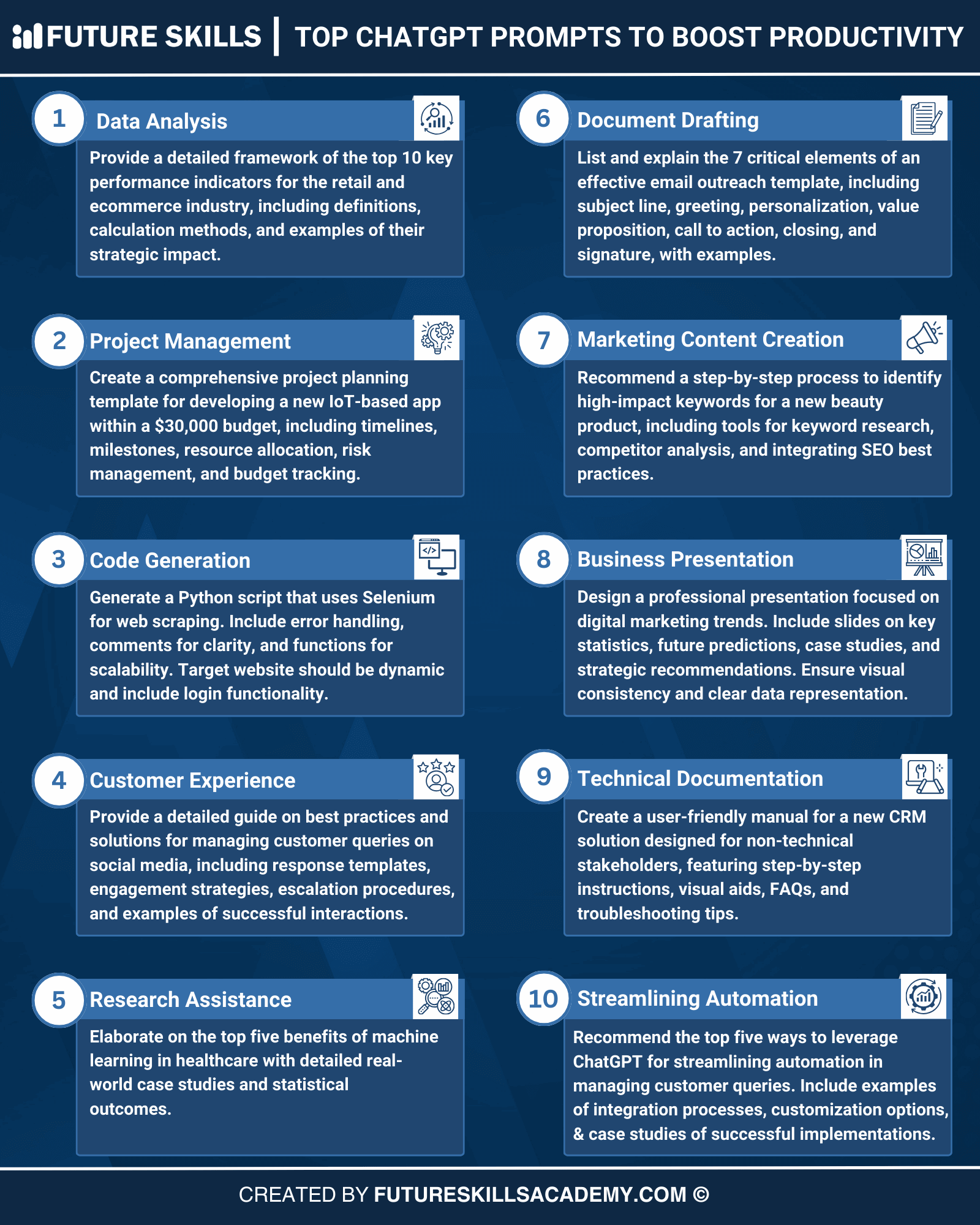
How the rule enhances ChatGPT responses
ChatGPT has been trained on a massive variety of writing styles and professional voices. When you give it a short cue — something like “like a professor" — it taps into that persona and shifts its tone accordingly. That one tweak can turn a vague summary into something polished, insightful, and audience-appropriate.
The 3-word rule is especially helpful when:
- It’s a lightweight form of prompt engineering that makes a big difference; no jargon or prompt-hacking required.
Need a few starter ideas? These formats work across writing, research, translation, and even creative tasks:
- “Summarize this article like a journalist”
- “Explain dark matter like a professor”
- “Give feedback like a mentor”
- “Write a poem like a songwriter”
- “Translate this message like a diplomat”
Upgrade your ChatGPT responses with these valuable tips Image:
You can swap in almost any role or voice that fits your needs: CEO, therapist, designer, coach, teenager, or just about anyone else. The more specific, the better.
Each tweak helps ChatGPT interpret your request through a more useful lens, and the difference in quality is often immediate. The 3-word rule isn’t magic, but it’s close. It’s one of the easiest ways to upgrade your prompts and get smarter, more human-like responses from AI.
Whether you’re writing emails, building lesson plans, or brainstorming your next novel, three extra words could make all the difference.