Copyright questions loom as ChatGPT's Ghibli-style images go viral
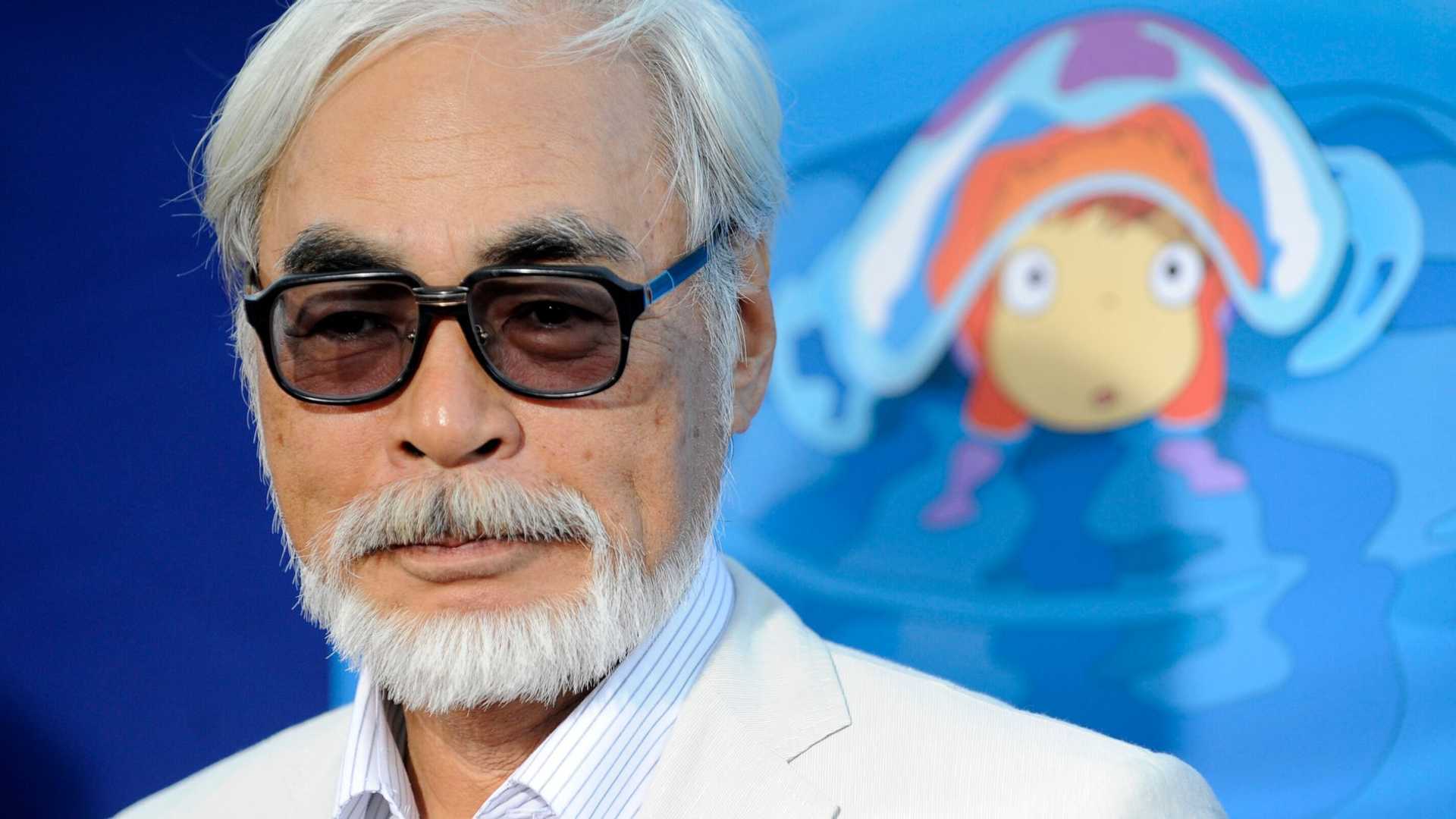
Fans of Studio Ghibli, the renowned Japanese animation studio behind masterpieces like "Spirited Away" and "My Neighbor Totoro," were thrilled recently by the emergence of a new feature in ChatGPT. This tool allowed users to transform popular internet memes or personal photos into the unmistakable Ghibli style pioneered by Hayao Miyazaki.

However, this trend has brought to light ethical dilemmas surrounding artificial intelligence tools trained on copyrighted creative works and the implications for the future of human artists' livelihoods. Miyazaki, celebrated for his hand-drawn techniques and enchanting narratives, has expressed reservations about the role of AI in animation.
The Ghibli-style Image Transformations
Individuals like Janu Lingeswaran, an entrepreneur residing near Aachen, Germany, excitedly engaged with the tool by converting images such as his 3-year-old ragdoll cat into the Ghibli aesthetic.
The results, reminiscent of Miyazaki's iconic feline characters, resonated deeply with users, inspiring plans to print and display these transformed images.
Similarly, well-known figures like Turkish pistol shooter Yusuf Dikec and the viral "Disaster Girl" meme found themselves reimagined in the enchanting Ghibli style, captivating audiences with the unique blend of familiarity and fantasy.
OpenAI's Stance on Ghibli-style Art
OpenAI, the developer behind ChatGPT, has faced copyright challenges over its AI technologies. Despite this, the company has encouraged these "Ghiblification" experiments, with CEO Sam Altman even adopting a Ghibli-style portrait for his social media profile.
Ethical and Legal Implications
The emergence of Ghibli-style AI art has sparked debates surrounding copyright law and ethical AI usage.
Artist Karla Ortiz, engaged in a copyright infringement case against other AI image generators, criticizes companies like OpenAI for leveraging renowned brands like Ghibli without considering the impact on artists' rights and livelihoods.
Conclusion
As the popularity of Ghibli-style images created by AI continues to grow, the ethical and legal considerations surrounding these artworks remain unresolved. The intersection of technology, creativity, and copyright raises complex questions about the future of artistic expression in the digital age.








