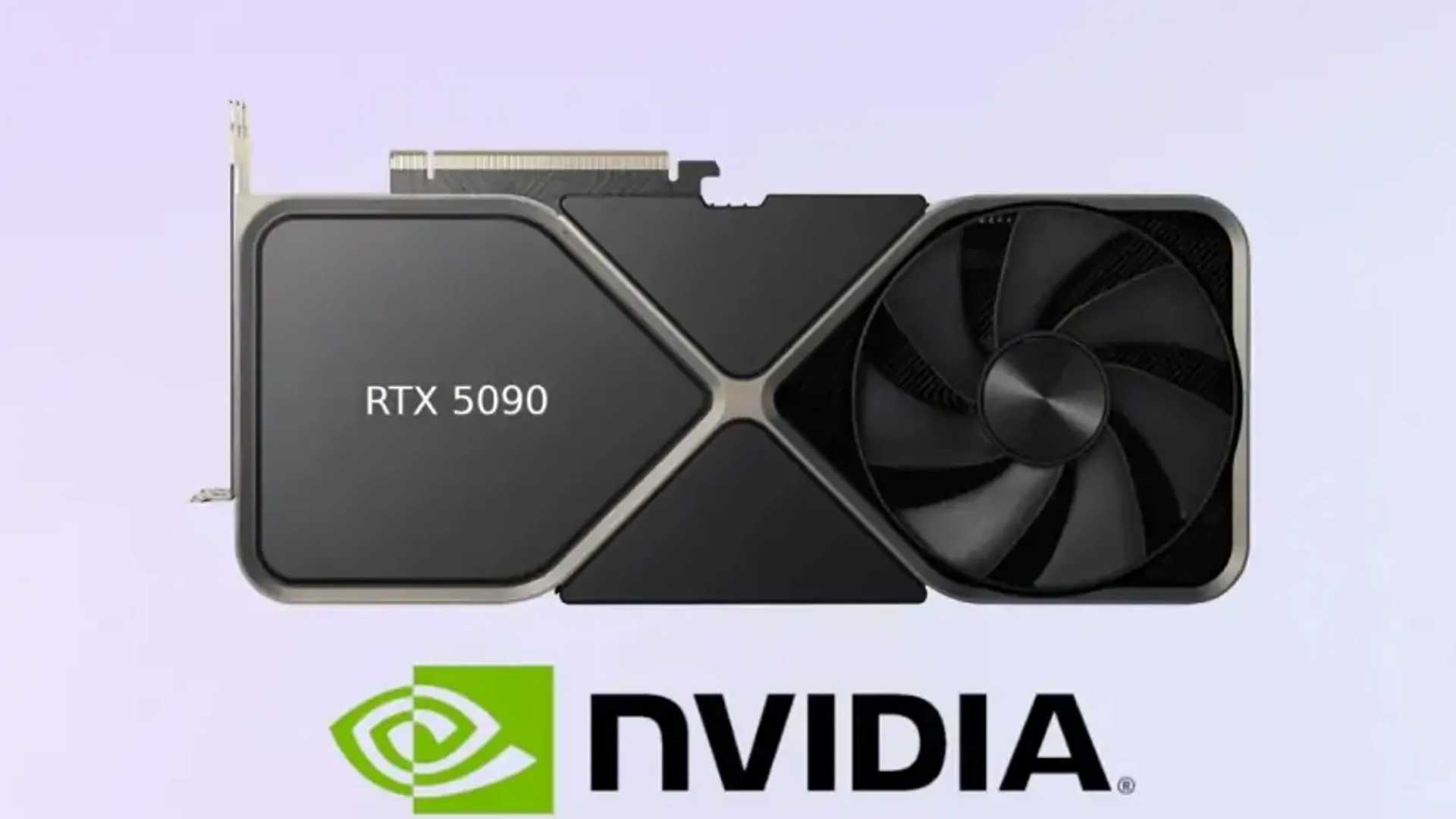
NVIDIA's RTX 5090 Poised to Revolutionize AI Computing with ...
The tech world is buzzing with anticipation as NVIDIA gears up to unveil its next-generation RTX 5000 series, with the flagship RTX 5090 taking center stage. Set to debut at CES 2025, this powerhouse GPU is generating particular excitement within the AI community, promising to redefine the boundaries of artificial intelligence computing.

The excitement centers on the RTX 5090's rumored performance, with industry insiders suggesting it could be up to 48% faster than the RTX 4090. Meanwhile, the NVIDIA RTX 3090 remains a favorite among AI hobbyists for its versatility. The RTX 5090's significant processing power is expected to drive advancements in AI research and development.
Key Enhancements
The RTX 5090 is said to be built on NVIDIA's new Blackwell architecture, which promises substantial improvements over the current Lovelace design. Key enhancements include:
- Enhanced Tensor cores for unprecedented performance in machine learning and deep learning applications.
- Introduction of advanced AI-driven features, including an improved version of Deep Learning Super Sampling (DLSS) technology.
The RTX 5090's potential impact extends beyond raw performance metrics. Its advanced capabilities could enable researchers to tackle more complex problems and process larger datasets in shorter timeframes. This acceleration in AI research could lead to breakthroughs in fields such as healthcare, autonomous vehicles, and climate science.
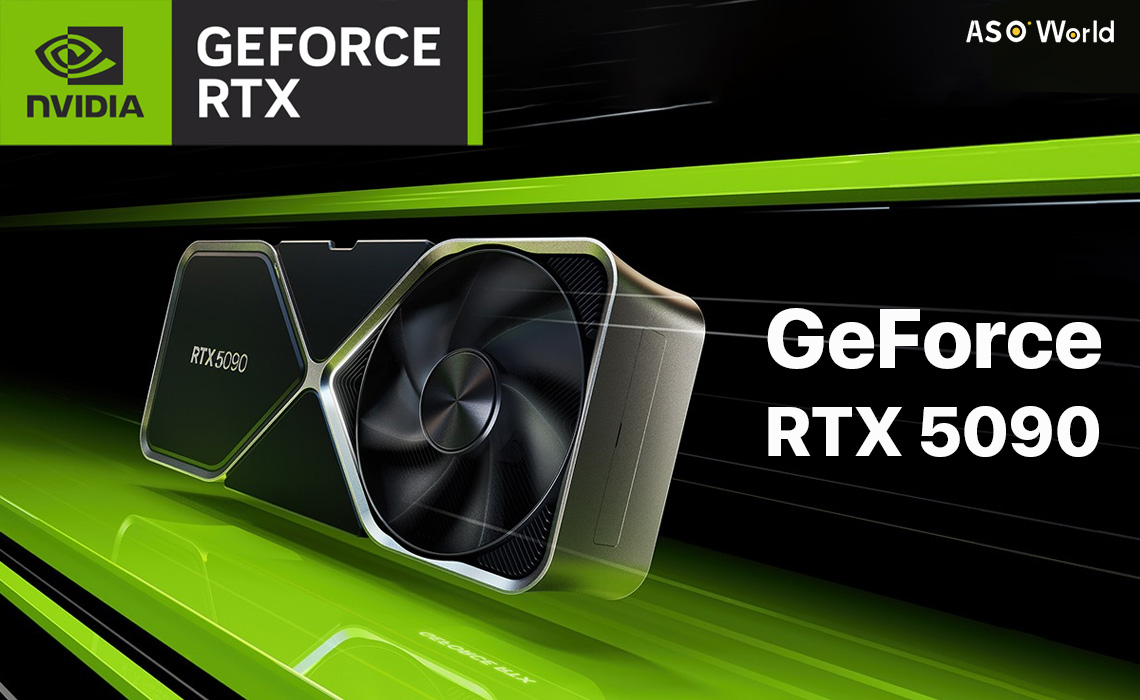
For industries leveraging AI, the RTX 5090 could mean faster time-to-market for AI-powered products and services, as well as the ability to deploy more sophisticated AI models in real-world applications.
Conclusion
As the AI community eagerly awaits the official unveiling of the RTX 5090, speculation continues to grow about its potential to reshape the landscape of artificial intelligence computing. With CES 2025 on the horizon, all eyes are on NVIDIA to deliver a GPU that lives up to the hype and pushes the boundaries of what's possible in AI research and development.


