It's the Age of AI Agents! - Open Source For You
Businesses must get ready to work with AI agents if they want to stay competitive. Many have already adopted them, while others are gearing up to do so. These agents will soon be part of almost every organisation, making up a large global digital workforce. An AI agent is a software application that engages with its surroundings, collects information, and utilises that data to accomplish predefined objectives. AI agents are software programs that perform tasks autonomously or semi-autonomously. They run independently to design, execute, and optimise workflows. Guardrails can be built into AI agents to help ensure they execute tasks correctly.
AI Agents in Action
They perform tasks with high precision and consistency and monitor and analyse security threats in real-time, providing proactive measures to prevent breaches and ensure data protection. According to a Gartner report, AI agents will streamline operations, reduce manual tasks, and improve decision-making processes. By 2027, nearly 15% of new applications will be automatically generated by AI without a human in the loop. AI agents will lead to a flattening of organisational structures, with up to 20% of organisations eliminating middle management positions by 2026. Forrester's report titled ‘The State of AI Agents, 2024’ states that AI agents are advancing from decision-making to action.
Driving business outcomes with AI agents requires a strategy along with collaboration from enterprise teams. Businesses can ask themselves the following questions to understand how ready they are for AI agent adoption.
AI Agents in Action
They perform tasks with high precision and consistency and monitor and analyse security threats in real-time, providing proactive measures to prevent breaches and ensure data protection. According to a Gartner report, AI agents will streamline operations, reduce manual tasks, and improve decision-making processes. By 2027, nearly 15% of new applications will be automatically generated by AI without a human in the loop. AI agents will lead to a flattening of organisational structures, with up to 20% of organisations eliminating middle management positions by 2026. Forrester's report titled ‘The State of AI Agents, 2024’ states that AI agents are advancing from decision-making to action.
Comparing AI Agents with Traditional Software
Table 1 compares AI agents with traditional software. AI agents bring several benefits to the table. There are several types of AI agents, each designed for specific tasks and environments. Let's take a look at some examples:
- Condition-Action Agents: These agents make decisions based on the current perception and follow condition-action rules. They have no learning skills or memory.
- Smart Decision Agents: These agents have goals and choose actions to achieve them, considering the current state and desired goal to make decisions.
- Utility Maximising Agents: These agents choose actions that maximise expected utility.
- Learning Agents: These agents learn from experiences and improve their performance over time.
- Hierarchical Task Decomposition Agents: These agents decompose tasks into subtasks and solve them hierarchically.
Key Characteristics of AI Agents
AI agent systems possess several key characteristics that distinguish them from traditional AI systems:
- They operate independently.
- They can adapt to new environments and scenarios.
- They are designed to achieve specific objectives or goals.
- They can understand and respond to context.
- They can anticipate future needs.
Integration and Communication
AI agents leverage various tools to enhance their functionality:
- Internet access: Allows agents to retrieve real-time information and perform web searches.
- Code interpreters: Enable agents to execute and interpret code for complex computations.
- API calls: Allow agents to interact with external services and systems.
Deployment and Integration
Organisations must take critical steps to ensure successful deployment and integration of AI agents into their business:
- Establish clear governance frameworks and compliance protocols.
- Identify business challenges and benefits of AI agent adoption.
- Implement change management to help teams adapt to new workflows.
Orchestrating AI Agents
AI orchestration involves managing the coordination and interaction between multiple AI agents to achieve specific goals or tasks. This includes adaptive task management, multi-agent collaboration, and performance monitoring.
Use Cases and Scenarios
Use cases of AI agents are endless and evolving continuously. Here’s a scenario where an AI agent helps streamline claims processing operations:
A policyholder visits their healthcare provider for a medical service. After the service, the healthcare provider submits a claim electronically to the enterprise. An AI agent receives the claim and begins the initial review, verifying the validity of the claim and analysing it using advanced machine learning algorithms.
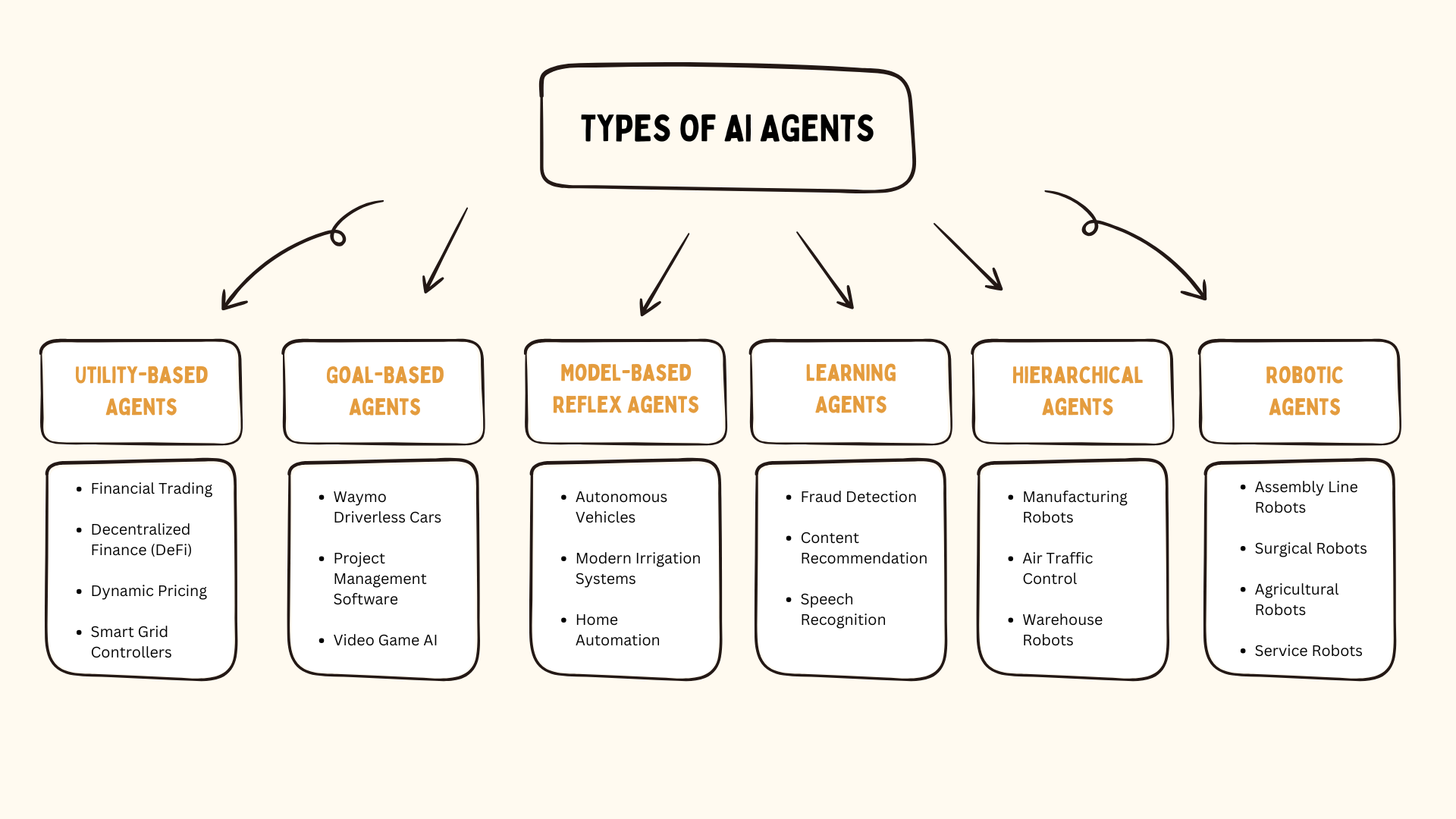
Figure 2 shows the contextual architecture of an AI agent, giving its key components and layers. Data sources, AI agents, and LLMs play crucial roles in the AI agent's functioning.